



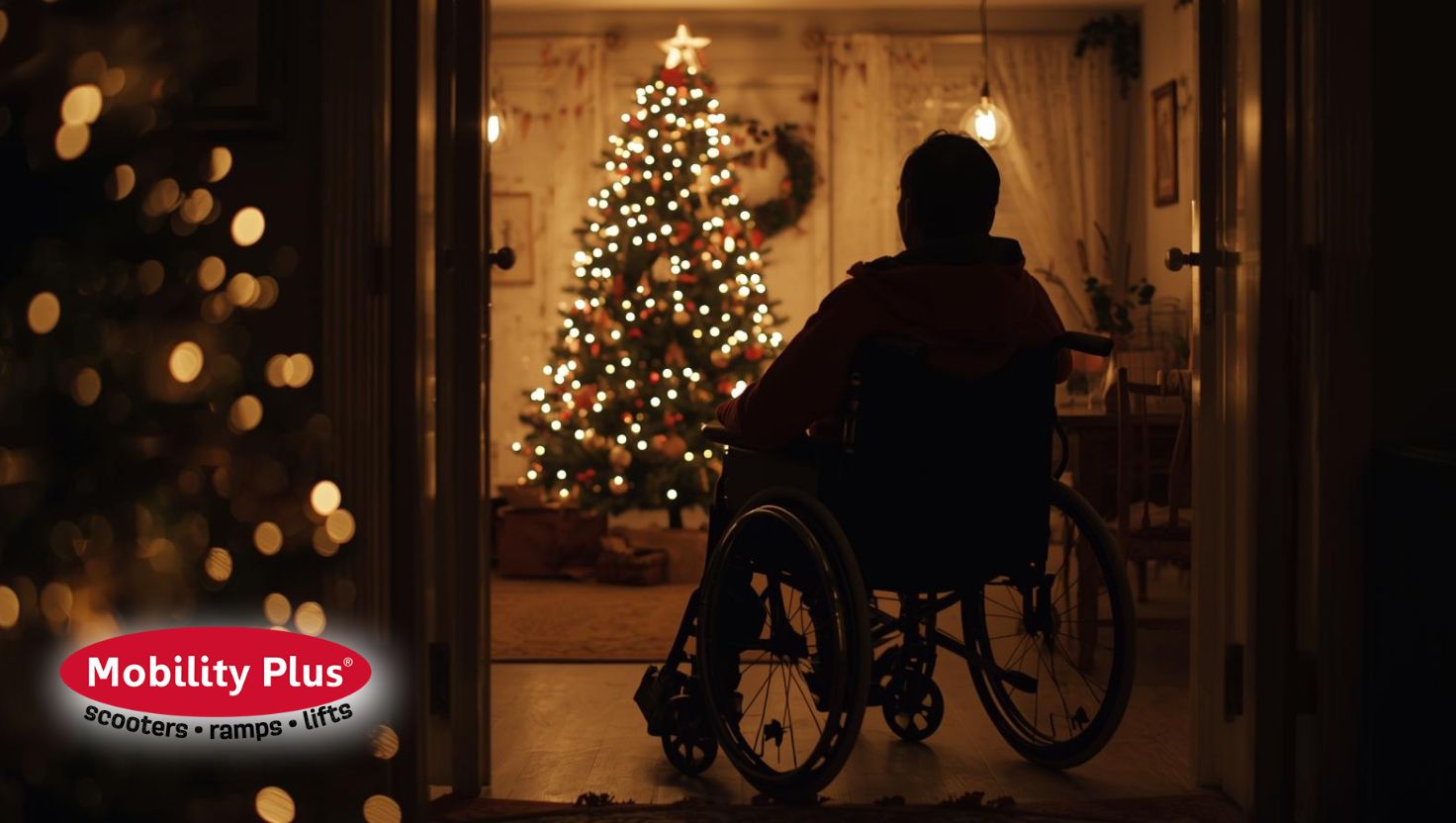
December is a busy month—shopping trips, family gatherings, holiday concerts, and community events can quickly fill the calendar. For people using canes, walkers, wheelchairs, or scooters, all that activity also brings a new set of challenges: crowded aisles, slippery entrances, long walks through parking lots, and homes packed with people and furniture.
That’s where holiday mobility safety comes in. With a little planning, the right equipment, and some simple adjustments, the season can be more joyful and less stressful—for both individuals and their families.
If you’d like to see what safe, confident movement can look like in real life, this short video demo is a great example of how thoughtful maneuvering and the right setup can make everyday navigation easier:











Holiday Hazards People Don’t Always Think About










When we imagine winter hazards, we usually picture snow- and ice-covered sidewalks. But during the holidays, some of the biggest risks show up in places that look safe:
- Crowded store aisles and displays that make it hard to turn a walker or scooter
- Slippery store entrances where snow and slush melt onto tile floors
- Heavy coats and boots that make movement slower and balance more difficult
- Long lines that require standing or sitting in one place longer than usual
- Dim lighting in parking lots and at evening events
- Packed living rooms at family gatherings, with extra chairs, gifts, and decorations squeezing the walking space
Thinking ahead about these situations is the first step in building a smart holiday mobility safety plan.
Holiday Mobility Safety for Shopping Trips
Whether it’s groceries, gifts, or last-minute errands, shopping trips are a big part of December. A few practical strategies can make them much safer and less tiring.
1. Plan Your Timing and Location
- Choose less busy times when stores are quieter—weekday mornings or early afternoons, if possible.
- Whenever you can, pick stores or malls that you know have accessible entrances, automatic doors, and wide aisles.
- If you’re unsure, call ahead and ask about accessibility, cart availability, elevators, and rest areas.
2. Use the Right Device for the Trip
- For longer outings, a cane might not be enough. A walker, rollator, or transport wheelchair may provide more stability and less fatigue.
- If walking the entire store is exhausting, consider a scooter or store-powered cart, if available.
- Make sure devices are in good working order—brakes, tires, seats, and batteries checked—before heading out.
3. Manage Entrances and Slippery Floors
- Assume store entrances and entry mats might be wet or slick from snow and slush.
- Move slowly, keep both hands on your walker or mobility device, and avoid rushing just because people are behind you.
- If needed, ask a companion or store employee to hold doors, carry bags, or steady carts.
4. Build in Breaks
- Plan short rests at benches, food courts, or quiet corners to prevent fatigue.
- If using a walker with a seat or a rollator, use it regularly—don’t wait until you’re exhausted.
- Remember: fatigue is a big contributor to missteps and falls, especially in crowded places.
These small, intentional choices add up to better holiday mobility safety every time you leave the house.
Holiday Mobility Safety at Family Gatherings
Family events are often the highlight of the season—but they can also be physically and mentally demanding. A few simple changes to the home setup can make a huge difference.
1. Clear and Widen Pathways
- Move small tables, footstools, and extra chairs out of pathways before guests arrive.
- Create one clear route from the entry door to the main seating area, bathroom, and dining table wide enough for a walker or wheelchair.
- Tuck electrical cords, pet bowls, and packages away from walkways.
2. Rethink Seating Arrangements
- Reserve a sturdy, comfortable chair with arms for anyone with mobility issues so they can sit and stand more easily.
- Place that seat where it’s easy to access without stepping over people, gifts, or decorations.
- If a wheelchair or scooter is used, make sure there is room to park it where the person still feels included in the conversation.
3. Tame the Stairs and Entryways
- If stairs are unavoidable, add non-slip treads and make sure railings are solid and easy to grip.
- Shovel and salt outdoor steps and walkways, and use non-slip mats at the door to catch water and snow.
- If there is a small step or threshold at the main entry, consider a portable or threshold ramp so walkers and wheelchairs can roll in smoothly.
How Families Can Help Without Taking Over
Family members often want to help but aren’t always sure how—so they either do too much, or not enough. Striking the right balance is part of good holiday mobility safety.
Here are practical, respectful ways families can support:
- Ask first, offer second. Instead of grabbing a walker or arm unexpectedly, ask, “Would you like a hand with this?”
- Be the path scout. Walk ahead to open doors, move obstacles, or find the elevator or ramp.
- Carry the extras. Take responsibility for coats, bags, gifts, and purses so the person using a mobility device can focus on moving safely.
- Build in rest time. Expect and plan for breaks—between events, between courses, or after gift-opening.
Support that preserves independence can make gatherings feel much more enjoyable and less stressful.
Packing a Holiday Mobility Safety Kit
A small “kit” can make outings and gatherings smoother. Depending on the person’s needs, that might include:
- Medications or inhalers in a clearly labeled pouch
- A list of emergency contacts and doctors
- A phone and portable charger
- Extra gloves, hat, and socks
- Snacks and water, especially for longer outings
- A folding cane or backup mobility aid, if appropriate
- Wipes or tissues for wet hands and surfaces
Keeping these items together reduces last-minute scrambling and helps everyone feel more prepared.
When It Might Be Time to Update Mobility Equipment
If holiday plans feel more stressful every year—because walking is harder, balance is worse, or existing equipment isn’t working well—it might be time to review mobility needs.
Clues that a change may be helpful:
- More frequent stumbles or near-falls
- Avoiding social events out of fear of walking or standing too long
- Pain or exhaustion after even short outings
- Difficulty turning, stopping, or fitting through spaces with a current device
Sometimes a switch from a cane to a walker, a better-fitted rollator, or the addition of a scooter for longer trips can completely change how December feels. Local mobility providers can help match individuals with the right device or accessories for their real-world routines, not just for a quick test in a store.
If you’re in the area and need guidance, you can connect with Mobility Plus to talk through options and see what might work best.
Bringing It All Together: A Joyful, Safer Holiday Season
The holidays are about connection—family dinners, gift exchanges, concerts, and faith gatherings. None of those moments should be overshadowed by constant worry about falling, getting stuck, or being too tired to enjoy them.
With some thoughtful planning, the right holiday mobility safety strategies, and equipment that truly fits the person and the season, December can feel more manageable and more joyful:
- Safer shopping trips with appropriate devices and rest breaks
- Family gatherings set up with clear paths and supportive seating
- Loved ones who know how to help without taking away independence
If you or someone you care about needs help choosing or adjusting mobility equipment, a local Mobility Plus Northfield can be a valuable partner in making this holiday season safer, more comfortable, and more enjoyable.
More information about Mobility Plus Northfield here: https://www.mobilityplus.com/northfieldoh/
