



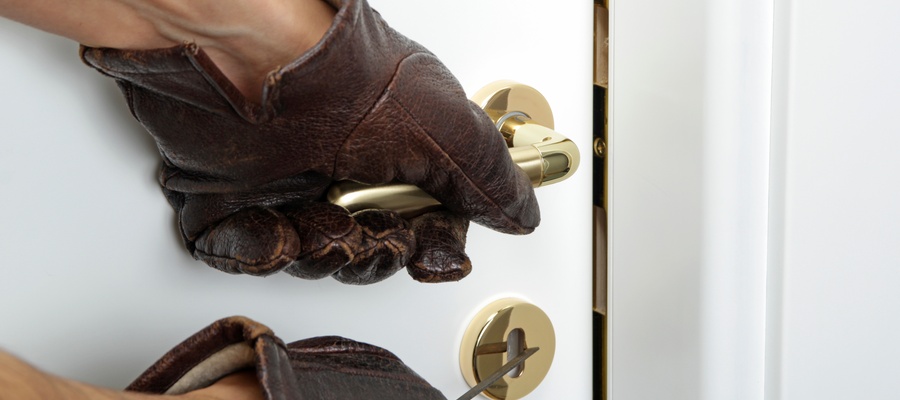
Feeling safe at home involves sending a signal to robbers that your home is occupied and fortified. Break-ins rarely happen at random; they usually occur when a house looks easy to access or poorly protected. The following practical ways to reduce the risk of a home break-in focus on making your home less appealing to intruders by combining visibility, strength, and consistency.
Strengthen Your Home’s Entry Points
Most break-ins begin at doors or ground-level windows, so pay extra attention to those areas. Solid construction matters because forced entry often targets weak materials. Iron doors are more secure than wood doors, especially when considering durability and resistance to impact. Reinforced frames, quality locks, and properly installed hardware all work together to slow intruders and increase the chance they give up.
Improve Visibility Around Your Home
Burglars prefer to work unseen. Poor lighting, overgrown landscaping, and hidden corners create opportunities that invite trouble. Motion-activated lights near entrances and walkways draw attention to movement. Trimming shrubs and trees removes natural hiding spots and allows neighbors or passersby to see unusual activity. Clear sightlines signal that your home is actively maintained and monitored.












Use Smart Habits That Signal Occupancy
A lived-in appearance discourages break-ins more effectively than silence and darkness. Simple habits, such as setting interior lights on timers or asking a neighbor to collect packages while you’re away, make a noticeable difference. When someone approaches a home that looks active, they face uncertainty, which most intruders want to avoid. Consistency matters, as predictable signs of occupancy reduce vulnerability.
Secure Windows Without Sacrificing Comfort
Windows offer light and airflow, but they also present access points. Lock windows whenever you leave, even for short periods, and reinforce older frames if they feel loose. Window sensors or break-detection alarms add another layer of protection without changing how your home looks or feels. These measures protect your space while preserving everyday comfort.










Think in Layers
Security works best when each measure supports the next. Strong doors, visible lighting, smart routines, and alert neighbors create a layered system that increases effort and risk for anyone attempting entry. Intruders tend to move on when obstacles stack up and time works against them.
These practical ways to reduce the risk of a home break-in reinforce the idea that safety grows from small, thoughtful decisions. A home that looks cared for, well-lit, and structurally sound sends a clear message that shortcuts will not work there.
