



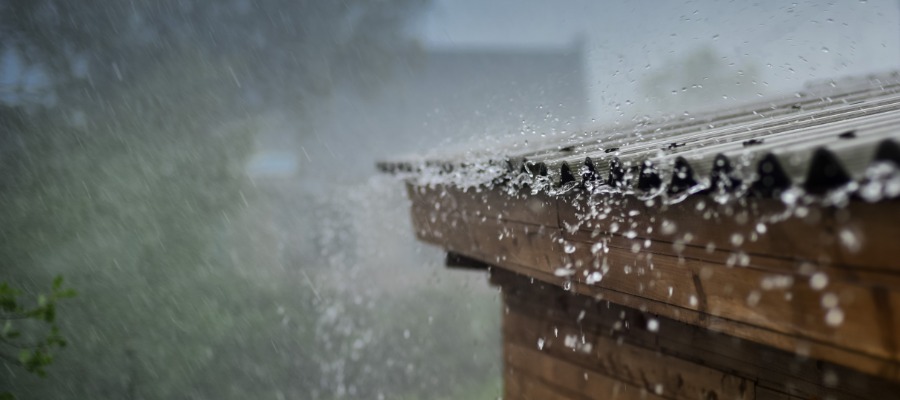
Water has a sneaky way of causing trouble around the house. A small leak might seem harmless today, but that same moisture can eventually ruin flooring or encourage mold growth.
Even homes that look perfectly maintained can develop hidden moisture problems. The good news? A little prevention can save homeowners from some seriously expensive repairs.
Protecting your home from moisture damage doesn’t require fancy equipment or a massive renovation budget. Most preventive measures involve simple maintenance and knowing where to look for trouble. From keeping gutters clear to controlling indoor humidity, small habits make a noticeable difference.









Keep Your Roof and Gutters in Good Shape
Your roof serves as your home’s first defense against rain and snow. When shingles crack or flashing develops gaps, water can sneak into the attic and damage the materials underneath. Check your roof periodically for missing shingles or visible deterioration. After major storms, inspect the attic for damp insulation or unusual water stains.
Gutters also play a major role in keeping your home dry. When leaves and debris clog them, rainwater spills over the edges instead of flowing away from your house. That extra moisture can damage siding and collect around the foundation. Clean your gutters regularly and make sure downspouts direct water several feet away from your home.










Control Humidity Inside Your Home
Excess humidity can create moisture problems even when your roof and plumbing work perfectly. Everyday activities like cooking and showering release water vapor into the air. Without enough ventilation, that moisture can collect on cooler surfaces and encourage mold growth. Keeping indoor humidity around 30% to 50% helps create a healthier living environment.
A small hygrometer can help you monitor humidity without spending much money. If moisture levels regularly climb above 50%, consider using a dehumidifier in problem areas. Air conditioning can also help remove excess moisture during warmer months. Just remember that good ventilation matters as much as the temperature on your thermostat.
Fix Plumbing Leaks Before They Get Worse
A dripping faucet might annoy you, but a hidden pipe leak can cause much bigger headaches. Water slowly escaping beneath a sink can weaken cabinets and encourage mold growth. Check exposed plumbing connections occasionally for dripping or corrosion. Pay particular attention to areas around toilets and water-using appliances.
Don’t ignore unexplained increases in your water bill, either. A sudden jump in usage might indicate a leak somewhere in your plumbing system. Watch for damp flooring or musty smells near walls. Addressing these warning signs early can prevent extensive repairs and help protect your home’s structural materials.
Protect Your Basement and Foundation
Basements often face moisture problems because surrounding soil naturally holds water. Heavy rainfall can increase pressure against foundation walls and push moisture through existing cracks. Over time, that water can damage stored belongings and create unpleasant odors. Inspect basement walls regularly for damp patches or white, powdery mineral deposits.
Proper drainage makes a tremendous difference in basement moisture control. Make sure the ground slopes away from your foundation rather than toward it. If your basement frequently collects water, consider consulting a professional about drainage improvements. A sump pump may also help manage groundwater in homes with recurring water intrusion.
Seal Windows and Doors Against Moisture
Windows and doors provide plenty of opportunities for moisture to enter your home. Worn weatherstripping can allow rainwater to slip through gaps during windy storms. Damaged exterior caulking may also let water reach surrounding wall materials. Inspect these areas at least once a year and replace deteriorating seals before problems develop.
Condensation deserves attention, too. When warm indoor air meets cold window glass, water droplets can form along the surface. Persistent condensation may damage wooden frames or nearby drywall.
Improve airflow around windows and reduce excess indoor humidity to limit moisture buildup. If water appears between glass panes, contact a window professional about seal failure.
Watch for Rust Around Heating Fixtures
Moisture doesn’t always show up as obvious water stains. Sometimes, rust provides the first clue that something isn’t right. Metal fixtures near floors can encounter condensation or water from routine cleaning. Understanding what causes baseboard heater covers to rust can help homeowners recognize moisture exposure before corrosion spreads.
Check heater covers for discoloration or flaking paint, especially in rooms with higher humidity. Avoid soaking the surrounding floor when cleaning, and wipe away standing moisture promptly.
If rust continues returning, investigate the underlying moisture source rather than repeatedly covering the problem with paint. Replace severely corroded covers when necessary and address any nearby leaks.
Improve Ventilation in Bathrooms and Kitchens
Bathrooms experience frequent moisture exposure, making proper ventilation especially important. Steam from hot showers can settle on ceilings and eventually encourage mold growth. Run your bathroom exhaust fan during showers and keep it operating for approximately 20 minutes afterward. If your bathroom lacks a fan, consider installing one that vents outdoors.
Kitchens also generate surprising amounts of moisture during everyday activities. Boiling water releases steam that can collect beneath cabinets or around windows. Use a range hood that vents outdoors whenever possible. Wipe up spills promptly and inspect the area beneath your kitchen sink for leaks. These simple habits help prevent long-term moisture damage.
Maintain Your Home’s Exterior Drainage
Rainwater needs a clear path away from your home. When soil settles or landscaping blocks drainage, water may collect against exterior walls. Repeated exposure can weaken certain building materials and contribute to foundation problems. Walk around your property after heavy rainfall to identify puddles that remain near the house.
Consider these practical maintenance tasks to improve drainage around your property:
- Remove leaves and debris from outdoor drainage channels.
- Extend downspouts that release water too close to the foundation.
- Fill low spots where rainwater repeatedly collects.
- Keep mulch and soil below vulnerable siding materials.
- Inspect walkways for slopes that direct water toward your home.
Landscaping choices can also influence how moisture moves around your property. Large shrubs growing directly against exterior walls may restrict airflow and keep surfaces damp longer. Maintain some space between vegetation and your home’s siding. If your yard consistently floods during storms, a drainage professional can recommend improvements that suit your property.
Recognize the Early Warning Signs of Moisture Damage
Some moisture problems develop quietly, which makes regular inspections worthwhile. Peeling paint or bubbling wallpaper may indicate water behind a wall. A persistent musty smell can also suggest hidden dampness. Don’t assume these symptoms will disappear on their own. Investigate the source before cosmetic damage becomes a larger repair.
Pay attention to changes in flooring as well. Hardwood boards may cup or swell when they absorb excess moisture. Carpeting can develop unpleasant odors after repeated exposure to damp conditions. If you notice unusual changes, identify the moisture source before replacing damaged materials. Otherwise, the same problem could return after your repairs.
Keep Moisture Problems From Becoming Major Repairs
Protecting your home from moisture damage comes down to consistency. Regular inspections and timely repairs can prevent minor issues from becoming expensive surprises.
You don’t need to inspect every corner of your house daily. Instead, establish a simple seasonal maintenance routine and pay attention whenever something looks or smells unusual.
Your home is a major investment, and moisture can gradually undermine it without much warning. A few minutes spent checking gutters or inspecting plumbing connections can make a real difference.
