



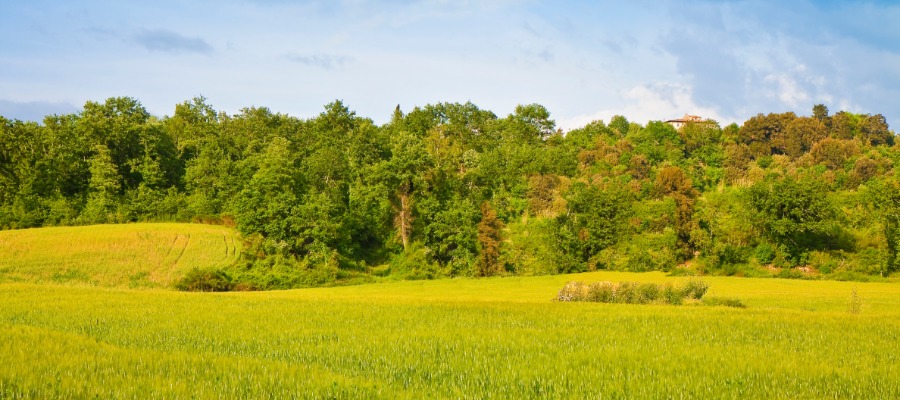
Owning a piece of land can feel meaningful even when you rarely visit it. Perhaps you inherited a family property or purchased acreage with plans to build someday. You might have held onto a vacant lot simply because selling never seemed urgent. Whatever brought the property into your life, your reasons for keeping it may have changed considerably since you first became responsible for it.
Deciding when it is time to let go of unused property involves more than comparing its market value with what you originally paid. The decision becomes clearer when you examine whether the land still serves a purpose in your life and what continued ownership demands from you.
Your Original Plans No Longer Fit Your Life
When you first acquired the property, you may have imagined building a retirement home or creating a weekend getaway. Those plans might have made perfect sense at the time, particularly if you expected your circumstances to remain relatively stable. Years later, retirement might involve moving closer to family, or the cost of developing the property may exceed what you want to spend.









Holding onto land for a future you no longer envision can make ownership feel more like an obligation than an opportunity. Before deciding what to do, consider whether you would purchase the same property today under your current circumstances. If you cannot identify a realistic reason to buy it again, that may indicate your original plans no longer justify keeping it.
The Property Continues Costing You Money
Vacant land may require less attention than a house, but ownership still carries expenses. Property taxes continue whether you visit the land or leave it untouched, and certain parcels require regular mowing or vegetation management to comply with local regulations.










For owners who live far away, even basic upkeep can become expensive. Hiring someone to maintain the grounds or traveling to inspect the property adds to the financial commitment. When these expenses accumulate without any corresponding personal benefit, keeping the land becomes harder to justify.
Financial complications can develop when owners postpone addressing these obligations. For example, selling land with unpaid taxes may involve resolving outstanding balances or liens before a transaction can close. Reviewing the property’s financial condition early gives you a clearer picture of what a potential sale would involve.
You Rarely Visit or Use the Land
A property that once represented freedom or recreation can gradually disappear from your regular routine. You might have enjoyed spending weekends outdoors when your children were younger, but changing schedules can make those trips increasingly uncommon. Occasional visits do not automatically make ownership wasteful, especially if the land holds sentimental value or provides a peaceful place to escape.
However, if you continually postpone trips or struggle to remember your last visit, the property may no longer contribute much to your everyday life. Consider whether you genuinely enjoy having the land available or simply like the idea of owning it. A property can represent possibilities without providing experiences you realistically expect to pursue.
Family Members Have Different Expectations
Inherited property can create difficult decisions because family members may attach different meanings to the same land. One person might remember childhood summers spent there, while another sees an ongoing financial responsibility with little practical value.
When several relatives share ownership, disagreements can become especially complicated. Some family members may want to sell and divide the proceeds, while others hope to preserve the property for future generations. Even relatives who agree about keeping the land may disagree about maintenance expenses or who should manage it.
Open conversations can reveal whether everyone shares a realistic vision for the property. If relatives want to retain it, establishing clear responsibilities and financial expectations can prevent resentment. When no workable agreement emerges, selling may offer a practical way to resolve competing priorities while respecting the property’s history.
Maintaining the Property Becomes More Difficult
As your circumstances change, tasks that once seemed manageable can become inconvenient or physically demanding. Clearing fallen branches or arranging repairs to access roads may require more effort than you want to devote to an unused parcel.
Distance can make these responsibilities particularly frustrating. A landowner who lives several hours away may struggle to respond when a neighbor reports a problem or a local authority requests maintenance. Even relatively minor concerns can require contractor arrangements and unexpected travel.
Consider whether you have a dependable plan for managing the property during the coming years. If you increasingly rely on temporary arrangements or postpone necessary work, the land may be demanding more attention than you can comfortably provide.
The Land Could Support More Immediate Goals
Keeping unused property has a financial tradeoff beyond its annual expenses. Money tied up in land cannot readily support other priorities unless you borrow against the property or sell it. For some owners, those funds could make a meaningful difference in their current financial circumstances.
Perhaps you want to reduce debt or strengthen your retirement savings. Selling an unused parcel could provide funds for those goals, although transaction expenses and potential taxes would affect the amount you ultimately receive.
Before making a decision, compare the benefits of continued ownership with what selling could accomplish. Consider the property’s realistic market value alongside your future plans. A qualified real estate professional or tax adviser can clarify financial details that may influence your choice.
You Are Keeping It Out of Guilt or Habit
Family history can make selling property feel like abandoning something important. If a parent or grandparent worked hard to purchase the land, you may feel responsible for preserving it even when nobody in the family wants to use it. Those feelings deserve consideration, but they do not necessarily require permanent ownership. Family photographs and shared stories can preserve meaningful connections long after the property changes hands.
Habit can influence the decision just as strongly as sentiment, particularly when you have owned the land for decades. Keeping it may seem easier than examining whether the property still fits your circumstances, especially if selling would require difficult family conversations. Giving yourself permission to reconsider ownership does not mean you must sell immediately; it simply allows you to make a deliberate choice.
Making a Decision That Fits Your Future
Selling unused property does not automatically make financial or personal sense. Some parcels may appreciate in value or support future family plans that justify their expenses. The important question is whether those benefits remain realistic and meaningful to you.
As your circumstances change, letting go of unused property may become a practical option without diminishing what the land meant to you in the past. If the property continues serving a purpose, keeping it may be worthwhile. However, if ownership creates ongoing expenses and obligations while your plans have moved elsewhere, selling could free you to focus on the future you want.
