



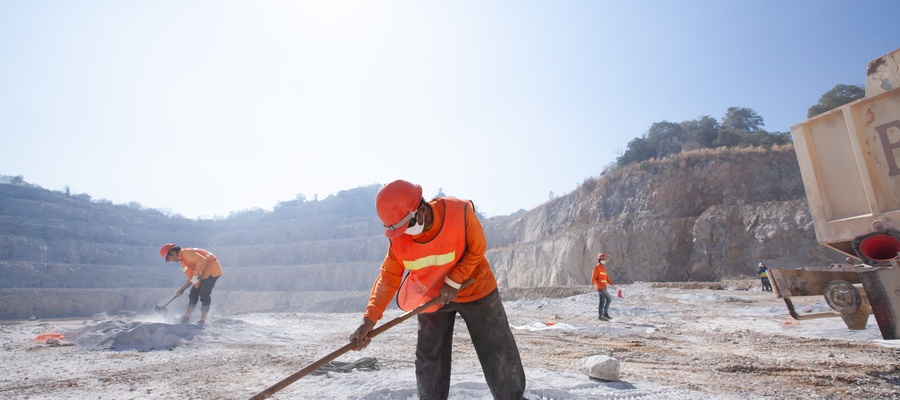
Dust-heavy work environments present serious risks to workers and nearby residents. Construction sites, demolition projects, and large-scale landscaping jobs often generate airborne particles that irritate the eyes and reduce visibility. Without proper precautions, these particles can cause discomfort, injury, or even long-term eye damage. Anyone working around heavy dust should understand the importance of protecting their eyes during these activities.
Eye protection plays a critical role in workplace safety whenever dust fills the air. Workers who prepare in advance reduce their risk of accidents and avoid unnecessary medical issues. Local safety officials often remind crews to use proper protective equipment whenever dust-producing work begins. These precautions protect workers and anyone nearby. These are the most common heavy dust applications requiring eye protection.
Why Dust Creates Eye Hazards
Heavy dust may seem harmless at first glance, but tiny airborne particles can cause serious irritation. Dust particles often contain dirt, debris, and other materials that scratch or inflame the eye’s surface. Even short exposure can cause redness, watering, or blurred vision.










Workers face greater risks when strong winds or machinery spread dust quickly across a job site. Particles can reach the eyes before workers realize the danger. This sudden exposure can interrupt work and force employees to stop tasks immediately.
Common Situations That Produce Heavy Dust
Many routine tasks generate high levels of dust. Construction and demolition projects often release large amounts of debris into the air. Landscaping work, such as soil excavation, trench digging, or grading, also produce thick dust clouds.










Agricultural operations and road maintenance projects present similar risks. Workers operating machinery in dry environments often experience sudden dust surges. Even routine maintenance work can create hazardous dust conditions.
Protective Equipment Workers Should Use
Protective gear offers the most reliable defense against airborne dust. Workers should wear proper eye protection whenever dust-producing equipment operates nearby. Quality protective equipment creates a barrier between the eyes and harmful particles.
Many professionals choose safety glasses or safety goggles to reduce exposure during dusty tasks. These items shield the eyes while allowing workers to maintain clear visibility during their work. Some designs also include side protection that blocks particles from entering at different angles.
Additional Steps To Reduce Dust Exposure
Protective eyewear helps significantly, but workers should combine it with other safety measures. Job sites often implement multiple strategies to control dust and protect workers. These practices improve visibility and reduce health risks during projects.
Teams often follow several simple precautions when heavy dust becomes a concern:
- Use water sprays to reduce airborne particles.
- Position equipment to direct dust away from workers.
- Wear protective clothing and face coverings.
- Schedule dusty tasks during calm weather conditions.
- Take short breaks to rinse eyes if irritation begins.
Eye protection does more than safeguard workers during a single task. Consistent safety practices reduce accidents and protect long-term health across entire job sites. Crews working in dust-heavy applications that prioritize eye protection often complete projects more efficiently because fewer injuries interrupt work.
