


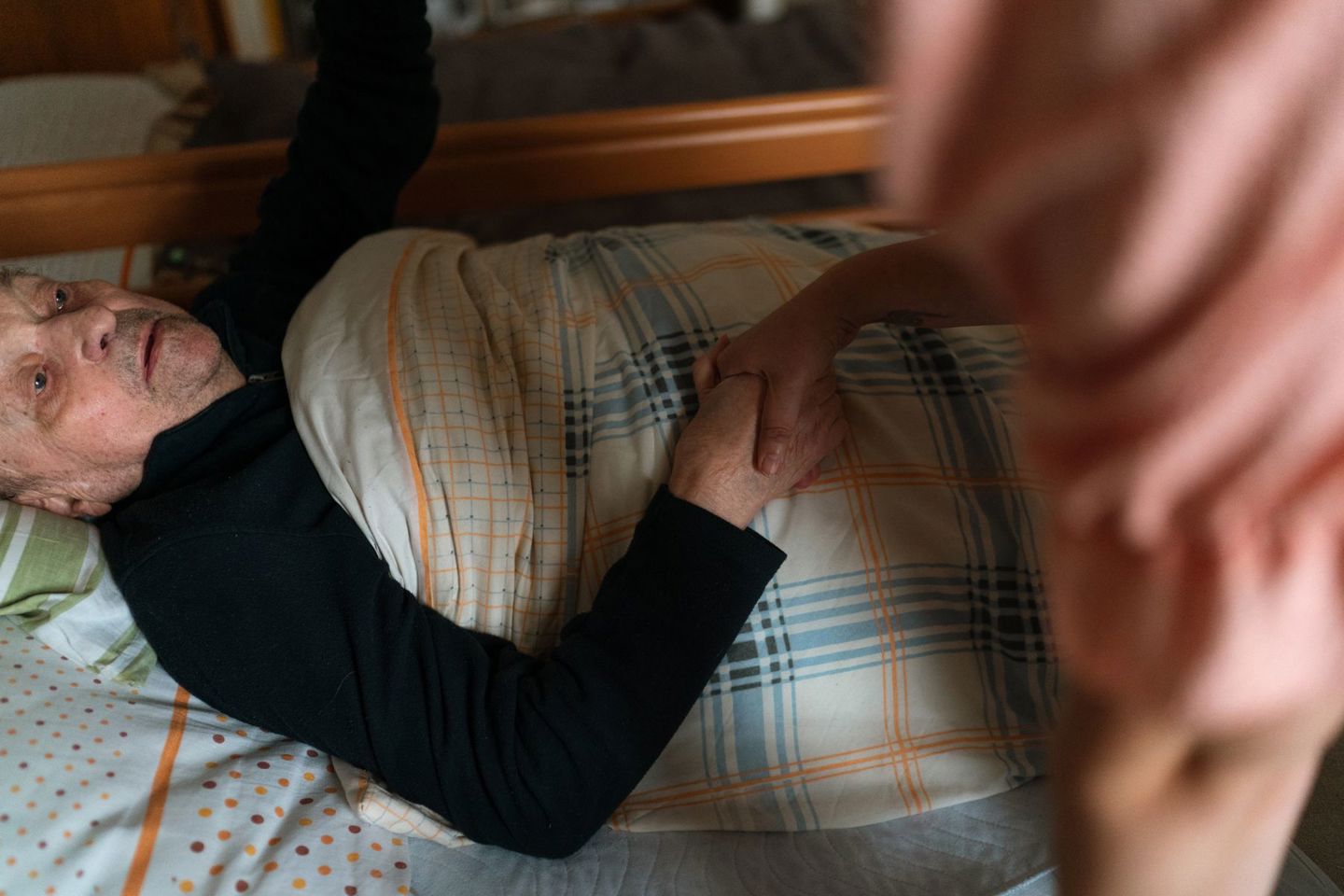
Preparing Communication Disorders Clinicians for Home-Based Care
Home-based care is a necessary part of the modern healthcare ecosystem. Those specializing in communication disorders may find themselves in a range of locations, and preparing for this will be part of any comprehensive degree.
US healthcare has changed rapidly over the past ten years. It has gone from being one focused on the cure delivered in a clinic, towards decentralized, patient-centred care. This has increased the demand for those who visit the home, particularly in the case of speech-language practitioners. Serving diverse populations, they may visit children learning to communicate, all the way up to elderly adults who are trying to rehabilitate. Moving from a clinic to the home requires a unique set of socio-interpersonal skills and clinical expertise. This is where a Master of Science in Communication Sciences and Disorders (CSD) comes in.
What are Communication Disorders?
Communication disorders cover a wide range of problems. They are generally those that prevent a person from sending, receiving, processing, or comprehending human communication systems. This may include those that are verbal, nonverbal, or written, and they can cover speech, language, and hearing.

There is no major common cause for these issues. For some, they appear in early life and childhood, and appear as the body and mind develop. For others, they may come later in life as things like hearing loss take hold, or a major health event like a stroke sets in. In some cases, they may be related to the physical body itself, such as being the result of a cleft palate.
An Online Communication Disorders Degree in Ohio and Illinois is a popular pathway for learners preparing for patient-facing clinical work. Many families may have questions related to speech and cognitive-communication, which are covered by the remit of an expert in the field.





The Realities of Working in a Home Environment
In many ways, it takes someone with more expertise, training, and knowledge to work in a home environment. Outside the confines of the clinic, with its sterile, utilitarian atmosphere, communication can be a different game. The first task is adapting to the lighting, noises, and household distractions, which are often minimised or non-existent in standardized clinics.
There are cases where it can be an advantage. In a household, there is an abundance of items that can be used practically. Everything from photo albums to useful everyday kitchen items is at hand. This can be helpful and much more practical when assisting with dysphagia, aphasia, and language therapy.
Home-based clinicians with a Master of Science in Communication Sciences and Disorders work best when they have a high level of cultural humility. They are able to adapt, understanding household norms and socioeconomic realities.
As they are often out of the clinic, they must also have a degree of autonomy. It will be quite normal for them to work independently and be able to spot medical red flags. Their environmental safety must also be paramount, and they must have the strength to keep themselves safe should unsafe practices occur.
Lastly, they need to blend a range of communication methods themselves. They may have to coordinate telepractice with virtual check-ins and calls. Care must then also be coordinated remotely with other stakeholders. This may include OTs, PTs, nurses, and social workers.
How a Master’s in Communication Sciences Bridges the Gap
When these degrees are conducted online, those studying can stay in their home communities. Provided in a flexible, manageable format, they are designed to fit around work and life. Crucially, they can stay where they are recognised, in a place they understand and are trusted.
The course usually takes 8 semesters, or 2.7 years. It is made up of 62 credits through the portfolio option or 66 credits through the thesis option. On top of this are 400 clinical hours. It is the coursework that is 100% online with one virtual orientation and one campus immersion.
Virtual learning also mirrors many of the tech-based skills that must be mastered when working remotely with clients. This helps them function with virtual care coordination and telepractice tools.
Lastly, there is a wide, diverse roster of people that students work with. This may be people of the same level, but also experts delivering lectures and giving advice. All of this replicates the varied breadth of patients they will need to communicate with once they start working in home-based roles.
This is a very modern method of working. The job has changed from a static, clinic or office based role to a community-rooted SLP practice. For many people, this is much more accommodating way to get treatment, meaning a wider scope of people can benefit. There is no better way to cultivate the skills needed for this than with an online master’s, which creates culturally responsive clinicians ready to deliver high-impact care directly in patients’ homes.
