



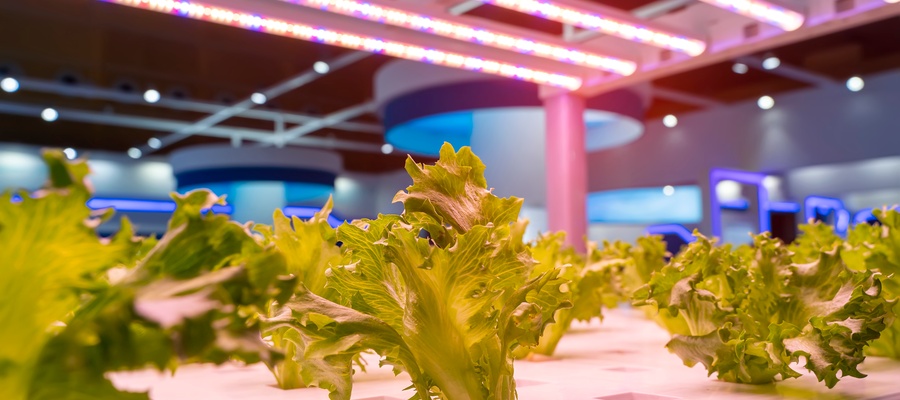
Indoor plants rely on consistent care to thrive, and lighting plays a major role in their development. Natural sunlight changes throughout the year, which can make it difficult for indoor plants to receive the light they need. Artificial grow lights help fill that gap, but success depends on more than simply turning them on. Understanding the importance of a grow light schedule for indoor plants can help maintain healthy growth, support natural plant functions, and create a stable environment that encourages long-term vitality.
Why Plants Need Consistent Light Cycles
Plants follow natural biological rhythms that respond to periods of light and darkness. These cycles influence growth, energy production, and rest. When grow lights operate on a predictable schedule, plants can perform these processes more efficiently.
A consistent routine also helps prevent stress. Sudden changes in light exposure may interrupt normal development and lead to weak growth. By maintaining regular lighting hours, plant owners can create conditions that closely resemble natural daylight patterns.












Supporting Healthy Growth and Development
Grow lights provide the energy plants need for photosynthesis. When plants receive the proper amount of light each day, they can produce the resources necessary for healthy leaves, stronger stems, and steady growth.
Different plants have different lighting needs, but most benefit from a schedule that remains stable from day to day. Timers make it easier to maintain this consistency without requiring constant attention. A reliable schedule allows plants to adapt to their environment and use available light more effectively.










Preventing Common Lighting Problems
Leaving grow lights on for too long can create issues. Excessive light exposure may cause stress, discoloration, or slowed development. On the other hand, insufficient lighting can result in stretched stems and sparse foliage.
Understanding proper timing also helps gardeners avoid some of the most common lighting errors. One of the key mistakes to avoid when using LED grow lights is providing inconsistent light periods that disrupt a plant’s natural cycle. Establishing a routine reduces the risk of these problems and promotes healthier growth.
Adjusting Schedules Throughout the Year
Indoor growing conditions may change with the seasons. During darker months, plants often benefit from longer periods of supplemental lighting. When natural daylight increases, some adjustments may be necessary to prevent excessive exposure.
Observing plant behavior can help determine whether a schedule needs modification. Healthy color, steady growth, and strong structure often indicate that lighting conditions are working well. Small adjustments made gradually can help maintain balance throughout the year.
Building a Successful Indoor Lighting Routine
A dependable lighting routine plays a significant role in indoor plant care. Consistent light exposure supports natural plant functions, encourages healthy development, and helps reduce avoidable stress. By recognizing the importance of a grow light schedule for indoor plants, growers can create a more stable environment that supports thriving indoor greenery throughout the year.
