



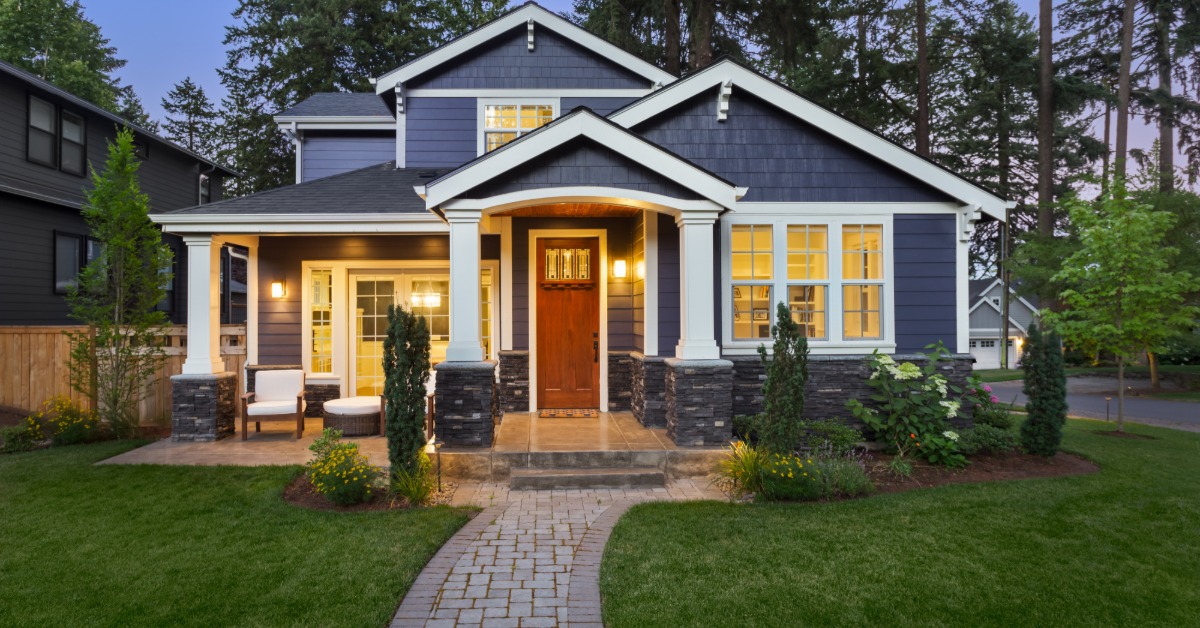
Your property doesn’t disappear when the sun goes down, but many of its best features certainly can. Good outdoor lighting brings those features back into view while helping family members and visitors move around more comfortably. You don’t need an enormous budget or a professional-looking landscape to make a noticeable difference.
A few well-planned improvements can give your home a welcoming nighttime appearance that feels attractive, useful, and appropriate for the neighborhood. Learn a few other ways to make your property shine after sunset.
Start With the Front of Your Home
The front of your house provides the natural starting point because it creates the first impression after dark. Porch lights, garage fixtures, and carefully placed landscape lights can make the property look warmer without flooding the yard with brightness. Focus on illuminating the entrance and a few attractive architectural details instead of pointing powerful lights at every surface. Balanced lighting creates depth and gives the house a more polished appearance.












Take a walk across the street after sunset and look at your home from a visitor’s perspective. You may immediately notice dark corners, burned-out bulbs, or fixtures that create more glare than useful illumination. Replacing an outdated porch fixture can also provide an affordable visual upgrade during daylight hours. Choose a style that complements your home’s architecture so that the fixture looks intentional around the clock.
Make Walkways Easier To Follow
Paths between the driveway, sidewalk, porch, patio, and other frequently used areas deserve clear nighttime visibility. Low pathway lights can define these routes while adding a pleasant glow around landscaping and garden beds. Space the fixtures thoughtfully instead of lining them up like runway lights on sides of the path. A staggered arrangement often looks more natural while still helping people see where they need to step.










Homeowners with larger properties should think carefully about choosing pathway lights for large or long driveways because these spaces require a balance between visibility and appearance. Too few fixtures can leave long stretches in darkness, while too many can make the property look unnecessarily bright. Consider curves, changes in elevation, driveway entrances, and nearby landscaping when deciding where lights will provide the most value. Proper spacing can guide drivers and pedestrians without turning your front yard into a stadium.
Give the Porch a Welcoming Glow
Your porch should help visitors identify the entrance without making them squint under an overly bright bulb. Warm, comfortable illumination generally creates a friendlier atmosphere than harsh lighting aimed directly toward approaching guests. Wall-mounted fixtures can frame the door, while an overhead fixture may provide additional illumination on a larger covered porch. Make sure house numbers remain easy to read from the street whenever possible.
Decorative touches can make the entrance feel even more inviting after dark. A lantern, seasonal planter, bench, or simple wreath can add personality when nearby lighting makes it visible. Avoid filling the porch with too many glowing decorations because they can compete with one another and create visual clutter. A few well-chosen elements usually make a stronger impression than a collection of unrelated lights.
Add Useful Lighting Around Outdoor Living Areas
Patios, decks, and backyard seating areas often become more enjoyable when you can comfortably use them after sunset. String lights can provide gentle overhead illumination, while wall fixtures and post lights can brighten cooking or dining areas. Tabletop lanterns can add another layer of light without requiring permanent installation. Combining different sources helps the area feel comfortable rather than overwhelmingly bright.
Think about how your household actually uses the space before buying fixtures. Someone who frequently grills after dark needs good task lighting near the cooking area, while a family that enjoys quiet evenings may prioritize softer ambient illumination. Steps and changes in elevation need enough light to remain easy to see. Allow practical needs to guide the lighting plan before decorative preferences enter the picture.
Focus on the Spots That Matter Most
You don’t need to illuminate every square foot of your property to make it look attractive after sunset. Strategic lighting usually creates better results because darker areas provide contrast and allow important features to stand out. Start with locations that improve visibility or curb appeal before adding purely decorative fixtures. A few useful places to consider include:
- Front doors and other regularly used entrances.
- Steps, stairs, and noticeable changes in elevation.
- Walkways connecting parking areas and entrances.
- Driveway entrances and areas where vehicles turn.
- Patios, decks, grills, and outdoor dining spaces.
- Large trees or distinctive landscape features.
- House numbers and address markers for easier identification.
Consider Motion-Activated Lighting
Motion-activated lights provide illumination when someone approaches without keeping the property brightly lit all night. They work especially well near side doors, garages, sheds, gates, and other areas that only need occasional lighting. Modern fixtures offer adjustable sensitivity and illumination times, which can prevent every passing squirrel from triggering a miniature light show. Position sensors carefully so that normal activity around the street doesn’t constantly activate them.
Moreover, motion lighting helps when you arrive home carrying groceries or need to take something outside after dark. Instead of searching for a switch, you receive light automatically when you enter the area. Choose an appropriate brightness level rather than automatically selecting the strongest fixture available. Effective outdoor lighting should help you see clearly without bothering nearby neighbors.
Use Solar Lights Where They Make Sense
Solar fixtures offer a simple option for locations where running electrical wiring would create unnecessary work. Pathways, garden beds, and decorative landscape areas can all provide good locations for solar lighting. Quality varies considerably, so check expected operating time, weather resistance, and brightness before purchasing a large set. Place the solar panels where they can receive enough direct sunlight to recharge effectively.
Ohio weather can create additional considerations during cloudy stretches and shorter winter days. A solar fixture that performs well during July may produce fewer hours of illumination during December. Keep panels clean and remove leaves, dirt, or snow that might reduce their ability to collect sunlight. If you need dependable lighting for important entrances or steps, consider a wired fixture rather than relying entirely on solar power.
Outdoor lighting works best when it feels like a natural extension of the home and yard. Take time to view your property from the sidewalk, driveway, porch, and backyard before deciding where another fixture belongs. Small improvements can produce surprisingly large changes when you want to make your property shine after sunset. With thoughtful planning and routine upkeep, your home can look welcoming long after the Ohio sun goes down.
