



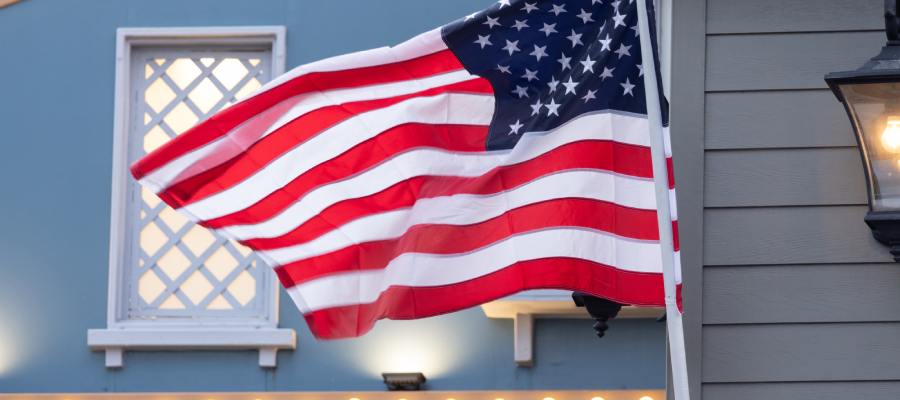
Homeowners want to distinguish their property from the rest of the block. A flagpole is a striking element that commands attention, but does it translate to dollars at the closing table?
When assessing curb appeal and future resale potential, the answer is nuanced. A flagpole rarely subtracts value directly, but its installation and placement determine whether it becomes a selling point or a distraction for future buyers. When considering whether a flagpole will increase or decrease your property value, several factors come into play.
Quality of Installation Matters
A temporary, flimsy pole stuck in the ground might look cheap and deter buyers who see it as clutter. Conversely, a professionally installed, high-quality aluminum or fiberglass pole suggests pride of ownership.










A permanent fixture with a sturdy concrete foundation signals that the home has been well-maintained. If the hardware has rust or the pole leans, it becomes a deferred maintenance item that buyers will mentally deduct from their offer price.
Curb Appeal and First Impressions
Curb appeal is the primary driver of property value when it comes to exterior modifications. A flagpole can serve as a dignified focal point that draws the eye upward, making a property feel established and stately.











Placement is critical. A pole planted directly in front of the main window or obstructing the path to the front door can create visual friction. It should complement the home’s architecture, not compete with it.
The Role of Landscaping
Integrating the flagpole into the overall landscape design is essential for boosting perceived value. A pole standing alone in a patch of grass can look out of place. Homeowners should explore creative landscaping ideas for flagpoles, such as surrounding the base with pavers, flower beds, and decorative stones. A cohesive appearance will make the arrangement feel intentional.
Neighborhood Norms and HOA Rules
Real estate value is heavily influenced by neighborhood conformity. If every other house on the street has a manicured lawn and no vertical structures, a 30-foot flagpole might stick out aggressively. However, in neighborhoods with a strong sense of patriotism or historic character, it might fit right in.
Additionally, check Homeowners Association (HOA) regulations before installing anything. An unapproved structure will result in fines or a requirement to remove it before closing, which creates a headache during the sale process. Compliance ensures the feature remains an asset rather than a liability.
Buyer Demographics
Lastly, remember that value is subjective to the buyer. For veterans or civic-minded individuals, a sturdy flagpole is a bonus that saves them the trouble of installing one themselves. For others, it might be neutral. Very rarely does a well-maintained flagpole actively decrease value, unless it’s in disrepair or poorly placed.
When installed correctly, maintained well, and integrated into the landscape, a flagpole adds a touch of classic character. For homeowners thinking about resale, the key lies in quality and integration. Make sure the pole looks like it belongs to the home. With a thoughtful installation, a flagpole will increase your property’s value.
