



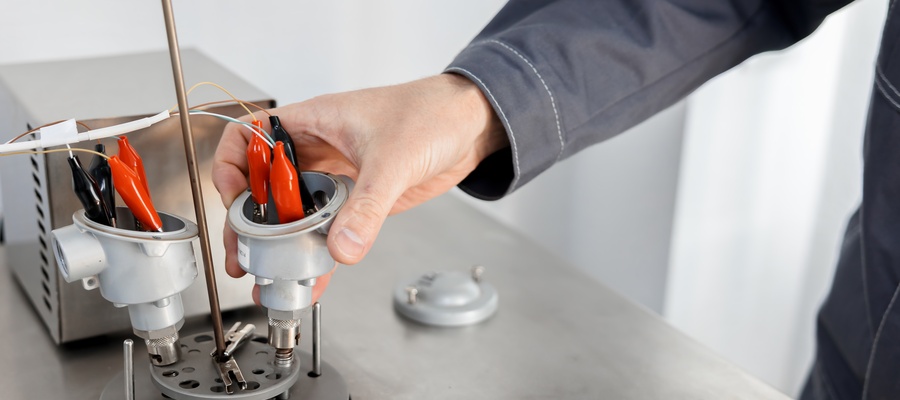
If you rely on a furnace, boiler, or gas appliance to get through cold Ohio winters, you’ve probably heard the word thermocouple at least once. It’s not a flashy piece of equipment, but it plays a critical role in keeping homes safe and warm. When this small part fails, heating systems stop working, and repairs suddenly jump to the top of the to-do list. Below, we’re taking a closer look at a thermocouple and what it does for your home and family. We’ll also cover and repair data to help you understand what to expect.
What Exactly Is a Thermocouple?
A thermocouple is a safety device found in many gas-powered appliances, including furnaces, boilers, water heaters, and gas stoves. It measures heat from a pilot flame and sends a signal that tells the gas valve it’s safe to stay open.
When the pilot light burns properly, the thermocouple generates a small electrical current. That current keeps gas flowing. When the flame goes out, the thermocouple cools down and cuts off the gas supply. This simple action prevents dangerous gas buildup inside a home.












Why Thermocouples Matter for Home Safety
Thermocouples serve one main purpose: safety. Without them, gas appliances could continue releasing fuel even after a flame goes out. That situation creates serious fire and carbon monoxide risks.
In older homes around Northeast Ohio, many heating systems still rely on standing pilot lights. Thermocouples are silent guards, working constantly without much attention.










Signs a Thermocouple May Be Failing
Thermocouples wear out over time; it’s natural. Heat exposure, dirt buildup, and general aging all shorten their lifespan. When problems start, they usually show up in noticeable ways.
A few common warning signs might include:
- The pilot light won’t stay lit.
- The furnace or boiler shuts off unexpectedly.
- Heating starts but stops after a few minutes.
- You smell gas briefly after relighting the pilot.
When these issues appear, checking the thermocouple often makes sense before replacing larger, more costly components.
How Long Does a Thermocouple Last?
Most thermocouples last several years, but no two systems age the same way. Homes that run heating equipment heavily during long winters may see faster wear. Dust, soot, and corrosion also reduce performance.
Many HVAC professionals recommend keeping these spare boiler parts around, especially in areas where cold snaps hit hard and service calls spike. A thermocouple costs relatively little compared to emergency repairs during peak winter months.
Can Homeowners Replace a Thermocouple?
Some homeowners feel comfortable replacing a thermocouple themselves, especially if they have basic tools and follow manufacturer instructions. The part usually connects near the pilot assembly and removes with simple fittings.
That said, working with gas appliances always carries risk. Anyone unsure about the process should call a licensed technician. Local heating professionals understand the equipment common in Ohio homes and can complete repairs safely and quickly.
Why This Small Part Gets Big Attention in Winter
When temperatures drop across communities like Macedonia, Northfield, and Sagamore Hills, heating systems run nonstop. A failing thermocouple often shows problems during the coldest stretch of the year, when systems work the hardest.
Local service companies frequently report spikes in no-heat calls tied to pilot and thermocouple issues. Knowing the role this part plays helps homeowners respond faster and avoid extended downtime.
A thermocouple may look insignificant, but it protects homes, families, and heating systems every day. Learning what the thermocouple does and recognizing early warning signs can save time, money, and stress.
