



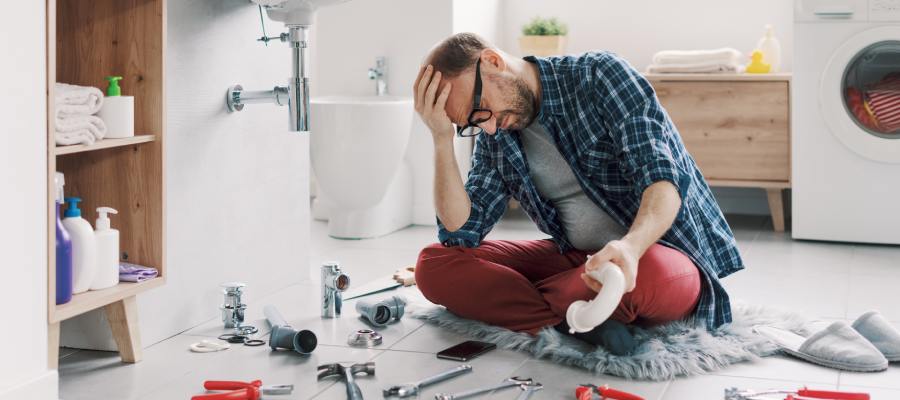
Homeowners often face small plumbing problems that interrupt daily routines. A dripping faucet wastes water and patience, while a slow drain turns simple tasks into frustration. Many people feel intimidated when pipes leak or fixtures stop working. However, basic knowledge and a few practical habits help you handle common plumbing issues with confidence. When you understand how your plumbing system works, you reduce damage risks and avoid unnecessary repair bills.
Understand the Most Common Plumbing Problems
Several issues appear in homes again and again. Clogged drains top the list, especially in kitchens and bathrooms. Hair, grease, soap residue, and food scraps build stubborn blockages. Leaky faucets also waste gallons of water every week. Running toilets increase utility bills and signal worn internal parts. Low water pressure often points to mineral buildup or hidden leaks.
Keep the Right Tools on Hand
Everyday plumbing fixes require simple tools rather than complex equipment. When you store a few essentials, you respond quickly to small problems before they grow. Start with these basics:












- Adjustable wrench
- Plunger for sinks and toilets
- Pipe tape for sealing threaded connections
- Drain snake for stubborn clogs
- Bucket and absorbent towels for cleanup
These tools help you tighten fittings, clear drains, and control small leaks without calling a professional immediately.
Check Connections and Replace Worn Parts
Loose connections cause many household leaks. Inspect exposed pipes under sinks and behind appliances every few months. Tighten compression nuts carefully and watch for moisture around joints. When rubber washers crack or flatten, replace them right away. Purchase durable replacements from a reliable fittings supplier so your repairs last longer. Quality components reduce the chance of future leaks and protect surrounding cabinets and flooring.









Prevent Clogs with Smart Habits
Daily habits strongly influence the health of your plumbing system. Avoid pouring grease or cooking oil down the kitchen drain. Install simple strainers that catch food scraps and hair. Run hot water after each use to move residue through the pipes. In bathrooms, clean stoppers and strainers every week to stop buildup before it hardens.
Know When to Call a Professional
Some plumbing problems demand expert attention. Major pipe bursts, flooding inside walls, or persistent sewer odors require immediate professional help. You should also contact a plumber if water pressure suddenly drops throughout the entire home. Skilled plumbers diagnose hidden issues and protect your home from structural damage.
Build Confidence With Basic Maintenance
Regular attention keeps plumbing systems reliable and efficient. Set reminders to inspect visible pipes, test shutoff valves, and check faucets for drips. Learn the location of your main water valve so you act quickly during emergencies. Small maintenance steps save money and prevent stressful surprises later.
With practice, patience, and the right supplies, you can handle many plumbing tasks on your own and keep your home running smoothly every day without unnecessary panic or confusion.
