



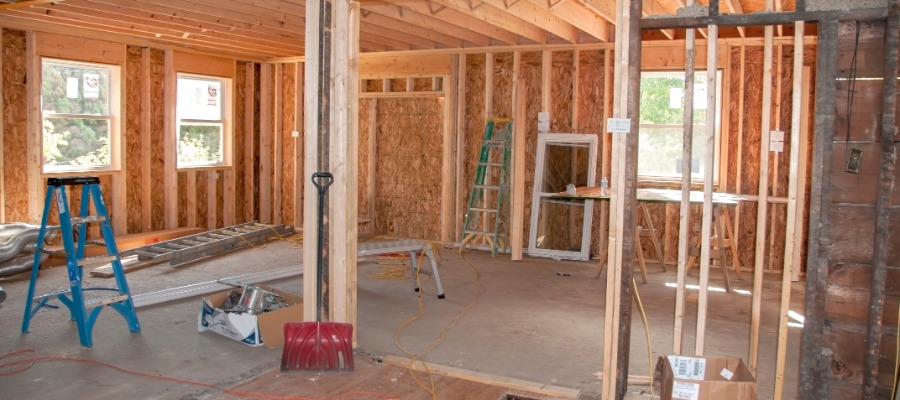
Does your house feel too small? Maybe the kids need separate bedrooms, your kitchen feels crowded, or working from home has taken over the dining table. Moving is one option, but leaving a familiar neighborhood may not sound appealing.
That’s where home additions come in. Expanding your current house can provide breathing room without changing your address. Still, construction brings costs and complications that deserve careful thought. Below, we break down the pros and cons of home additions that you should consider.
The Pros of Adding Space to Your Home
More Room Without Moving
An addition lets you address a specific shortage of space while staying in a community you enjoy. A new bedroom can give family members more privacy. A home office can separate work from family life, and a larger kitchen may make mealtimes more comfortable.












Staying put also means avoiding the search for another house, the logistics of moving, and the uncertainty of finding a property that meets your needs. Of course, you still must compare the overall expenses.
Flexibility as Your Household Changes
Families change, and their homes need to keep up. A first-floor bedroom could accommodate an older relative or make life easier for someone who has trouble with stairs. A playroom might eventually become an office or hobby space.










Think beyond what your family needs today. A flexible layout could make the investment more useful for years to come.
Potential for Higher Property Value
Extra usable space may increase your home’s value, especially when the addition improves an awkward layout or adds a needed bathroom. Buyers may appreciate a well-integrated room that feels like part of the original house.
However, higher value doesn’t guarantee a full return on construction costs. Neighborhood prices and the quality of the work matter. An oversized addition on a modest house might not command the price its owner expects.
A Space That Suits Your Needs
An addition gives you control over the new room’s layout and features. You might choose larger windows for natural light, create a mudroom for wet boots, or position a family room near the backyard.
The most successful designs make daily routines easier. Bigger isn’t automatically better if the space doesn’t solve a problem.
The Cons of Home Additions
Construction Can Be Expensive
An addition is a more extensive project than repainting or updating cabinets. Depending on the design, crews may need to build a foundation, extend electrical wiring, adjust the roof, or connect plumbing. Heating and cooling systems may need upgrades.
Uncovering problems during construction can raise the final bill. Damaged framing or outdated electrical equipment may require work that wasn’t obvious at the start.
Request written estimates and ask contractors what they do and do not include. Keep money in reserve for surprises rather than using your entire budget on the initial design.
Daily Life Disruption
Construction brings noise, dust, workers coming and going, and possible interruptions to utilities. Opening an exterior wall can temporarily expose part of the house to the elements.
These disruptions affect everyone, but they can be particularly difficult for households with small children, pets, or remote workers.
Ask how long each stage should take and which rooms will remain usable. A large project may justify staying elsewhere during the messiest work.
You Could Lose Yard Space
A ground-floor addition takes up space that might currently support a garden, patio, or play area. It can also affect drainage and require the removal of trees.
Before choosing a footprint, imagine how you’ll use the remaining yard. Building upward could preserve outdoor space, but a second-story addition introduces its own challenges.
Your House May Need Structural Upgrades
Not every property can safely support the expansion its owner wants. For homeowners, it can be difficult to tell if their home can support an addition without a professional inspection and evaluation.
Existing foundations and framing may require reinforcement, particularly when adding another story. Utility capacity and property restrictions can also shape what’s possible.
Practical Questions to Answer Before Building
Now that we’ve broken down the pros and cons of home additions, you can determine whether it’s right for your home. Before you begin planning and building, there are a few key questions you first must answer.
What Do Local Rules Allow?
Zoning requirements can determine how close you may build to property lines and how much of your lot you can cover. Building permits and inspections may also apply.
In the Nordonia Hills area and elsewhere in Northeast Ohio, requirements can differ by municipality. Check with your local building and zoning authorities before committing to plans.
Will Your Ongoing Expenses Change?
A larger home can mean higher heating and cooling bills. Increased assessed property value may affect property taxes, while a bigger structure may require changes to your homeowners insurance.
Contact your insurer before construction to discuss coverage during the project and afterward. Include these recurring costs when comparing an addition with other options.
Will the New Space Feel Cohesive?
A poorly placed addition can create awkward traffic patterns even if it provides plenty of square footage. Think about how people will move between rooms. Consider whether the new roofline, windows, and exterior materials will match the house.
Good design makes the addition look and function like a natural part of the home, not an afterthought.
When Does an Addition Make Sense?
Home additions are worthwhile when you like where you live and only need one or two changes to make the house work better. If the property has room to expand, the structure can accommodate the project, and you expect to stay for years, an addition could offer lasting comfort.
Compare that option with remodeling what you already have. Reworking a floor plan or finishing a suitable basement may provide the space you need at a lower cost.
When Might Moving Be Better?
Moving may make more sense if your house has several major shortcomings. Another bedroom won’t fix a difficult commute, a location that no longer suits you, or an awkward floor plan.
A small lot, restrictive zoning rules, or costly structural repairs can also make expanding impractical. If you expect to sell soon, be cautious about spending money you may not recover.
Making the Right Choice
Start with the problem you want to solve. Then discuss realistic designs with qualified contractors, get comprehensive estimates, and check local requirements. Compare the full price of an addition against renovating or moving, including the effect on your everyday routine.
Ultimately, home additions make sense when the new space improves how you live without creating financial or practical problems that outweigh the benefits. Careful planning can help you decide whether to expand the house you know or find a better fit elsewhere.
