



Six years after the shutdown, Northeast Ohio residents reflect on fear, family, work, and survival
NORDONIA HILLS, Ohio – Six years ago this month, daily life changed almost overnight.
Roads that were normally packed at midday fell silent. Schools closed. Businesses locked their doors. Families were separated from loved ones in hospitals and care facilities. Parents became teachers. Workers were labeled essential — or suddenly unemployed. And for many in Northeast Ohio, March 2020 remains one of the strangest and most emotionally charged moments in recent memory.











At Nordonia Hills News, we documented those early pandemic days as they happened. Now, six years later, we asked readers a simple question on Facebook: How did COVID affect you and your family?
The answers were raw, deeply personal and, in many cases, still painful.










A Brief Timeline of the Pandemic’s Early Days
COVID-19 had been making headlines for weeks before life in Ohio truly shifted, but March 2020 is when it became real for most local families.
- March 9, 2020: Ohio announced its first confirmed coronavirus cases.
- March 11, 2020: The World Health Organization declared COVID-19 a global pandemic.
- March 12, 2020: Ohio Gov. Mike DeWine announced schools would close.
- March 15, 2020: Restaurants and bars were ordered to close for dine-in service.
- March 22, 2020: Ohio issued its stay-at-home order.
- Late March 2020: Traffic vanished, public events were canceled, offices emptied and daily routines disappeared.
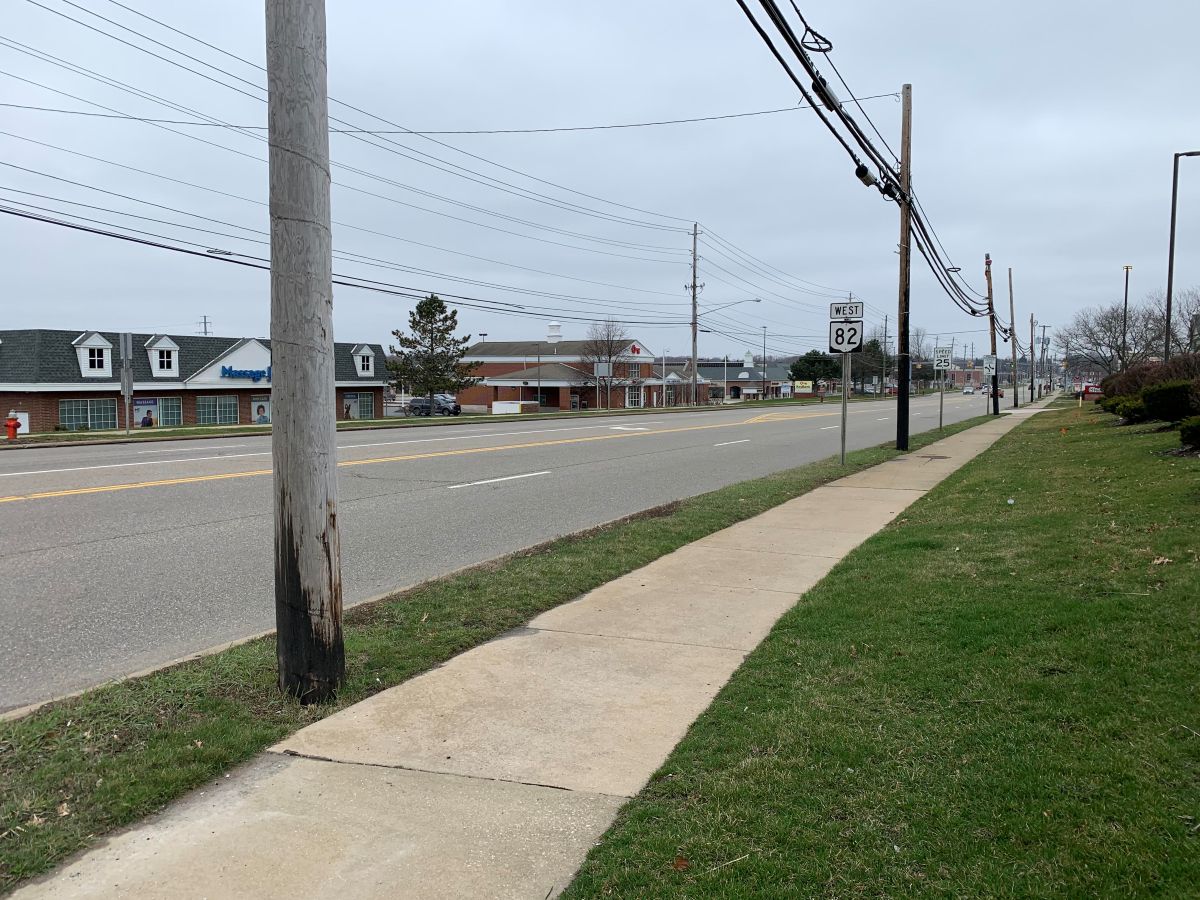
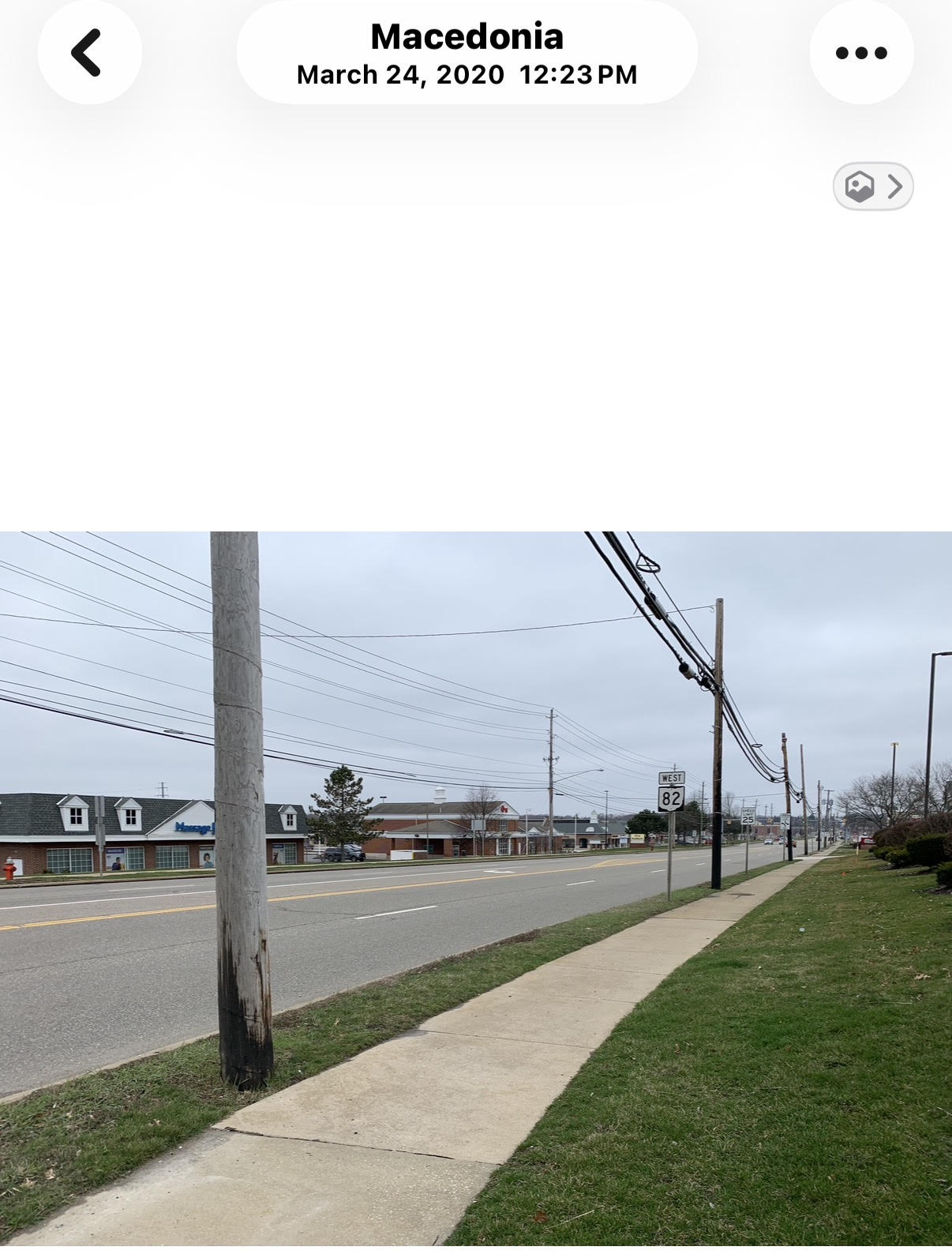
One of the images that remains most striking from that time is a local photo taken around noon on March 24, showing an empty roadway at what should have been one of the busiest parts of the day. In ordinary times, that scene would have been impossible. In those early shutdown days, it became normal.
For Some, Work Never Stopped
While many people stayed home, others kept going.
Tabitha Barker Blair, who worked as a laboratory technologist, said the stress was constant even with training in place.
“Even though we were trained on how to handle a virus like CoVid it was stressful when procedures and protocols were changing daily. We never stopped!”
Mark Wysocki said his appliance business was considered essential and became busier than ever.
“Own Marks appliance. Considered essential. Busiest time in my 40 year career. Lack of traffic was nice.”
Maggie Marino, who worked at Marc’s, said the store never closed.
“It was insane people buying everything like it was the end of the world. I never had a day off as lots of people quit. Or didn’t wanna get the covid shot.”
For frontline and essential workers, the pandemic was not a pause. It was a different kind of chaos.
Parents and New Mothers Faced Isolation
For many families, especially mothers with newborns or young children, the isolation was overwhelming.
Elizabeth Kelly became a mom in February 2020 — just before lockdowns began.
“I have one memory of taking baby on a family grocery trip, before isolation and restrictions set in,” she wrote. “After that it was masked, 6 foot distance, window visitings, FaceTime holidays.”
She described the emotional toll not as postpartum depression, but as depression rooted in isolation during a major life transition.
Heidi Jackson also shared her experience of pregnancy and early motherhood during the pandemic. She delivered her first baby in June 2020 and said her husband was the only person allowed in the room. Her baby spent time in the NICU, and family support was limited because of the fear of exposure.
“Being a first time parent in the middle of a pandemic was a wild, anxiety filled time,” she wrote.
Their comments reflect something many parents still talk about today — that raising children during those years changed not only routines, but family dynamics, social development and emotional health.
For Some Families, There Was No Goodbye
Some of the most heartbreaking responses came from residents who lost loved ones.
Jeri Shelton wrote that she lost both of her parents in August 2020, just four days apart, to COVID-19.
“I could not visit them due to the regulations at that time,” she wrote. “I literally dropped them off at the emergency room & never saw them again.”
Her comment is one of many reminders that for some families, the deepest wound was not only the loss itself, but the inability to be present at the end.
Lisa Hovanetz, a critical care nurse, described profound personal and professional loss. She wrote about friends and patients who died, businesses that closed, and the fear and confusion surrounding treatment in the earliest days of the pandemic.
She also shared her own serious battle with COVID.
“I had Covid twice. 1st time I had a bad case, out of work for 3 weeks, could barely walk, couldn’t eat for days. Lost 35 pounds in those 3 weeks.”
Jobs Vanished and Daily Life Was Put on Hold
Others remembered the abruptness of the shutdown and the uncertainty that followed.
Cleveland Todd said he was working at Northfield Park, helping set up the Lauryn Hill show in the casino stage area, when everything stopped.
“Just before they were going to cut the stage hands for break they told us to pack it all up and go home. Then a year and half later we got called back. Some did some didn’t.”
Michael Kozlik, a Northfield native now living out west, said he was working as a tour guide on the USS Turner Joy in Bremerton, Washington. At first, staff tried masks, but the operation eventually shut down.
He later moved to Idaho, but said his heart still bounces in Northfield.
For many readers, COVID became a dividing line in life — a before and after.
Children Missed Friends, School, and Normalcy
Parents also remembered how hard the shutdown was on children.
Stacy Rightmire-Brewer said the pandemic was especially hard on her two school-aged children.
“They missed seeing their friends and being social. They even missed their teachers! The remote learning was better than nothing, but when schools reopened it was a big relief.”
That sense of interrupted childhood remains one of the defining themes of the pandemic years.
Not Everyone Experienced It the Same Way
The comments also show that the pandemic was not one single story.
Some people describe stress, trauma and grief. Others mention frustration over mandates and public policy. A few said they did not become sick, or that their own cases were mild. Some even appreciated the slowdown, the quiet roads, and the extra time at home.
That range of experiences is part of what makes any COVID anniversary difficult to capture fully. It was shared history, but it was not experienced equally.
Six Years Later, The Memories Are Still Close
Looking back, the details remain vivid: empty roads at noon, masked store workers, window visits, canceled events, online school, fear in hospital parking lots, and the silence that settled over ordinary life.
Six years later, the emergency orders are long over. The routines returned. Traffic came back. Businesses reopened. Kids went back to school.
But for many in Nordonia Hills and across Northeast Ohio, the pandemic still lives in memory as a moment that reshaped families, changed perspectives and, in some cases, left losses that never fully healed.
And maybe that is what this anniversary really is — not just a marker of time, but a reminder of what people carried through it.
