



Winter has a way of revealing problems around the house. A small draft becomes impossible to ignore when temperatures drop, while a clogged gutter can create a much bigger headache once snow and ice arrive.
For homeowners in Northeast Ohio, freezing temperatures and lake-effect snow can put a home’s exterior and essential systems to the test.
Fortunately, preparing your home for winter doesn’t require a huge seasonal home maintenance budget. A little attention before the first major snowfall can help prevent expensive surprises.









Start With Your Roof and Gutters
Your roof takes the brunt of winter weather, making it a smart place to begin seasonal preparations.
Check for Damage Before Snow Arrives
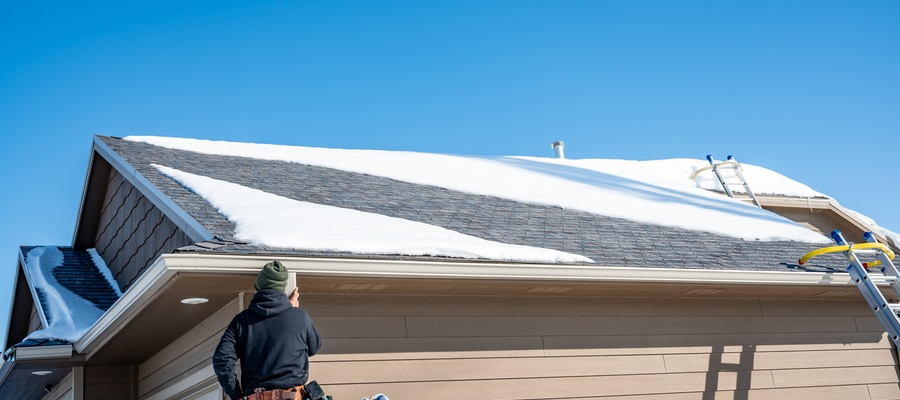
Walk around your property and examine the roof from the ground. Look for missing shingles, damaged sections, or anything that appears out of place.









Pay particular attention to areas around chimneys and roof vents. These spots contain flashing that helps prevent water from entering through vulnerable openings.
Even minor damage can become troublesome when melting snow finds its way beneath roofing materials.
For additional guidance, these year-round roof maintenance tips explain seasonal inspections and common warning signs that homeowners should recognize.
Avoid climbing onto the roof yourself, especially when surfaces are wet or temperatures approach freezing.
Clear Your Gutters and Downspouts
Fallen leaves look harmless until they collect in your gutters.
When debris blocks drainage, trapped water can freeze and contribute to ice buildup. Ice dams may form when melting snow refreezes near the roof’s colder edges, potentially allowing water beneath shingles.
Remove debris from accessible gutters using appropriate safety precautions. Make sure downspouts carry water away from your foundation.
Keep Your Heating System Running Smoothly
Another crucial part of any seasonal home maintenance plan for preparing your home for winter is the heater. Few household problems feel more urgent than a heating system that stops working during a January cold snap.
Schedule a Heating System Checkup
Arrange for an HVAC technician to inspect your heating system before winter reaches its coldest stretch. A routine visit may include checking electrical connections, examining safety controls, and verifying that the equipment operates correctly.
Replace or clean your furnace filter according to the manufacturer’s recommendations. A dirty filter restricts airflow and can make your heating system work harder.
If you have a programmable thermostat, review its settings before the heating season begins.
Keep Vents and Registers Clear
Check that rugs, furniture, and other household items don’t block supply or return vents. Restricted airflow can interfere with heating performance.
Keep outdoor heat pump components clear of snow according to the manufacturer’s instructions.
For homes with fireplaces or wood-burning stoves, schedule chimney cleaning and inspection as appropriate before regular use.
Protect Your Pipes From Freezing
Frozen pipes can cause serious damage, particularly when expanding ice causes plumbing to crack or burst. Pipes in unheated garages, crawl spaces, and exterior walls face greater exposure to cold temperatures.
Insulate Vulnerable Plumbing
Check accessible pipes in colder areas of your home. Foam pipe insulation is inexpensive and available at most home improvement stores.
Fit insulation around exposed pipes, especially where cold air can reach them. During extreme cold, opening cabinet doors can help warmer indoor air circulate around plumbing beneath sinks.
Disconnect Outdoor Hoses
Before freezing temperatures arrive, disconnect garden hoses from exterior faucets. Drain the hoses and store them somewhere safe.
If your home has an indoor shutoff valve for outdoor water lines, close it and drain the exterior section according to your plumbing setup.
If a pipe freezes, never use an open flame to thaw it. Contact a plumber if you cannot safely address the problem.
Stop Warm Air From Escaping
Heating your home costs money. Allowing warm air to escape through small gaps makes winter even more expensive.
Seal Windows and Doors
On a chilly day, check around windows and exterior doors for noticeable drafts.
Inspect weatherstripping for cracks or missing sections. Replace worn materials and apply appropriate caulk around stationary gaps where needed.
Installing a door sweep can also reduce drafts beneath an exterior door.
Check Attic Insulation
Heat can escape through an inadequately insulated attic, leaving rooms below harder to keep comfortable. If you can safely access your attic, inspect visible insulation for bare spots or moisture.
Remember that air leaks, poor ventilation, and existing water damage may need attention before adding insulation. Avoid blocking soffit vents or covering electrical components that require clearance.
Prepare the Exterior for Snow and Ice
Winter can be tough on driveways, walkways, and landscaping. Taking care of outdoor chores now may save trouble once snow covers everything.
Inspect Walkways and Steps
Check concrete paths and outdoor steps for cracks or uneven surfaces. Water can enter small openings and expand when it freezes, potentially worsening existing damage.
Repair problem areas while weather conditions allow materials to cure properly. Make sure stair railings feel secure.
Stock up on a suitable ice melt or traction material before the first storm.
Trim Dangerous Branches
Snow and ice add weight to tree branches. Inspect trees near your house for dead limbs or branches hanging over the roof.
Have a qualified tree professional handle large or difficult-to-reach limbs. Never attempt to remove branches near power lines.
Move lightweight outdoor decorations and patio furniture into storage before high winds arrive.
Check Your Home’s Safety Equipment
Winter brings increased use of heating appliances, making household safety checks especially important.
Test Smoke and Carbon Monoxide Alarms
Test smoke alarms and carbon monoxide detectors according to manufacturer instructions. Replace batteries when necessary and confirm that your alarms are still within their recommended service life.
Malfunctioning fuel-burning appliances can release dangerous, odorless carbon monoxide.
Never operate a charcoal grill or fuel-powered generator inside your home or garage.
Prepare for Power Outages
Heavy snow and ice can interrupt electrical service.
Keep flashlights and fresh batteries somewhere accessible. Store drinking water and nonperishable food for temporary disruptions.
Charge portable power banks when severe weather approaches.
Make a Simple Winter Maintenance Schedule
You don’t have to complete every project in one weekend. Divide tasks into manageable sessions.
Before the First Freeze
Protect outdoor faucets and exposed plumbing. Check weatherstripping and schedule necessary heating or roofing appointments.
Before the First Major Snowfall
Clear gutters and inspect outdoor walking surfaces. Move seasonal equipment into storage, and make sure your snow shovel or snowblower is ready.
Throughout the Winter
Watch for new water stains, unusual drafts, and ice buildup. After significant snowfall, inspect your property from a safe location.
Never climb onto an icy roof to remove snow. If you notice sagging or structural distress, stay away from the affected area and contact a qualified professional.
A Little Preparation Makes Winter Easier
Winter weather is unpredictable, but a bit of preparation can go a long way.
A practical winter maintenance routine starts with identifying vulnerable areas and addressing small problems before freezing temperatures make them worse.
Some jobs, such as replacing weatherstripping or disconnecting garden hoses, make for easy weekend projects.
Whether you live in Nordonia Hills or another cold-weather community, tackling these tasks early can help keep your home comfortable and reduce preventable damage.
