



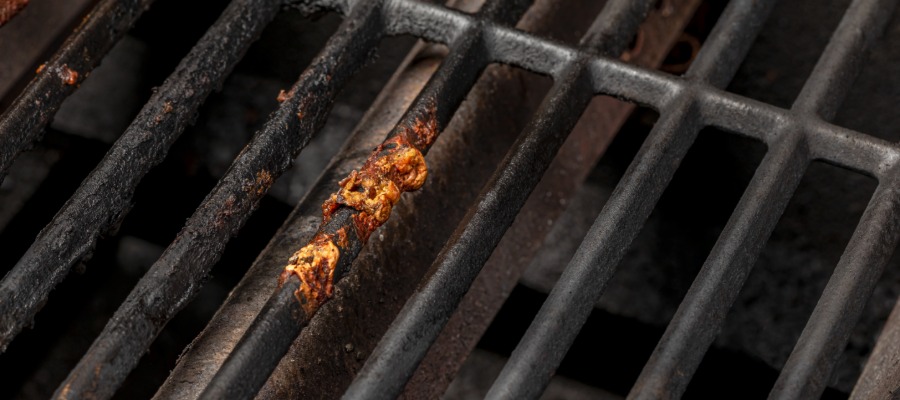
An outdoor grill can look ready for use even when old residue hides across its surfaces. A dark grate may seem harmless at first glance, but layers from past meals can create problems once fresh food meets intense heat. Grease can settle deep inside the grill, where a quick surface scrub may never reach it.
Each meal leaves something behind. Small food particles can cling to metal, sauces can harden across hot surfaces, and fat can settle below the grates. Without proper care, those remains can affect the next meal in ways that are not always easy to detect before the grill becomes hot.
Regular care gives grill owners far more control over what happens once food reaches the grate. A clean surface makes heat easier to manage and allows problems inside the grill to become more visible before they grow severe. Understanding the risks of cooking on a dirty grill can make each outdoor meal safer and far more pleasant.












Dirty Grates Can Expose Fresh Food to Bacteria
Old residue creates places where unwanted microbes can remain between meals. Small pieces of meat or sauce may stay trapped against the grate, especially when moisture reaches the grill during storage. Fresh food can then touch those contaminated areas during the next use.
High temperatures can destroy many harmful microbes, but cooks should not depend on heat as a substitute for proper sanitation. Grill temperatures can vary across the surface, and some areas may receive less heat than expected. Physical removal of old debris provides a much cleaner place for fresh ingredients.










Clean grates also make contamination easier to prevent before a meal starts. When the surface remains free from old residue, cooks can see its actual condition and address any suspicious areas immediately. That simple habit places sanitation at the center of outdoor food preparation.
Hidden Grease Can Create Sudden Flames
Grease often travels below the visible grate during meal preparation. Once it reaches lower areas, it can collect in places that receive intense heat whenever the grill operates. A large deposit may ignite without much warning.
Sudden flames can rise toward food and create an immediate safety concern. They can also make heat harder to control because normal burner adjustments may not reduce a fire fueled through accumulated grease. Nearby surfaces may face greater exposure if flames escape beyond the grill chamber.
Regular removal keeps old fat from becoming a hidden fuel source. It also gives owners an opportunity to inspect areas beneath the grates before high temperatures expose a neglected problem. A few minutes of care can prevent an ordinary cookout from becoming difficult to control.
Old Residue Can Change Fresh Food Flavor
A recipe should taste like the ingredients used for that meal, not like food prepared several days earlier. Dirty grates can interfere with that goal because old residue often releases strong odors once exposed to heat again. Burnt deposits can also attach directly to fresh food.
The result may taste bitter or stale. Delicate foods can suffer most because their natural flavors can disappear beneath smoke from old grease or charred sauce. Even carefully selected seasonings cannot always hide those unwanted notes.
A clean surface gives each recipe a fresh start. Smoke then comes from the intended source rather than unknown residue left inside the grill. Food can develop its expected character without unwanted flavors from past meals.
Heavy Deposits Can Disrupt Grill Temperatures
A grill depends on clear paths for heat to travel through its interior. Thick residue can interfere with that process as deposits form near areas that distribute heat across the surface. The cook may notice that one section becomes much hotter than another.
Uneven temperatures make food harder to prepare with confidence. A steak may develop a dark exterior too quickly in one area, whereas another piece may need far more time elsewhere. Such differences can make temperature adjustments frustrating and unpredictable.
Clean internal surfaces help the grill respond more consistently. Owners can also see potential obstructions before they affect a meal. Better heat control starts with a grill that does not have old debris between its heat source and fresh food.
Neglected Grills Can Lose Their Condition
Stainless steel offers strong resistance to outdoor use, but that does not make it immune to neglect. Food acids can remain against the surface, and moisture can become trapped beneath stubborn deposits. Over time, the metal may develop stains or areas that require greater effort to restore.
Aggressive care can cause another problem. Abrasive tools may leave scratches across the finish, especially when an owner tries to remove a thick layer all at once. Those marks can change the appearance of the surface and create areas where future residue can settle.
A consistent approach offers better results than occasional heavy treatment. Owners should use methods appropriate for the specific surface and address deposits before they become difficult to remove. Learning the best strategies to properly clean stainless-steel grills will help protect grill surfaces from stubborn residue and support safer food preparation.
Damp Residue Can Support Mold
Moisture creates another concern when a grill remains unused for an extended period. Residue can absorb dampness and keep it close to interior surfaces. Under favorable conditions, mold may appear before the owner opens the grill again.
A cover can protect the appliance from direct weather exposure, but trapped moisture can still become a problem underneath it. Poor airflow may allow damp conditions to persist much longer than expected. One of the most noticeable risks of cooking on a dirty outdoor grill is that mold can establish itself, especially when moisture remains trapped across neglected surfaces between uses.
Dry surfaces offer a much less favorable environment for this type of contamination. Owners should remove food debris and allow the grill to dry before storage whenever possible. Opening the lid for an inspection before use can also reveal problems that developed between meals.
Dirty Grills Can Produce Excess Smoke
Smoke belongs to many outdoor meals, but its source matters. Fresh food can release fat over the heat source, and selected wood can add a deliberate smoky character. Old grease creates a very different result.
Once residue becomes hot, dense smoke may develop before fresh food has had time to cook. The fumes can make the grill area uncomfortable and obscure the cook’s view of the surface. That reduced visibility can make a sudden flare harder to detect quickly.
A cleaner interior makes smoke easier to understand and control. When old deposits no longer burn beneath the food, unusual smoke becomes much easier to identify as a potential problem. The cook can react sooner instead of assuming every cloud belongs to normal grill use.
A dirty outdoor grill presents more than a cosmetic problem. What appears to be a small amount of residue can affect food once the grill reaches high temperatures. Problems can also develop beneath the grate where they remain invisible during a quick pre-meal check.
Consistent care changes that situation. Removing old deposits gives fresh food a cleaner surface and makes the grill easier to inspect before each use. It also helps owners recognize unusual heat or smoke before those signs become harder to control.
