




Starting a business in Northeast Ohio? Get started here.
You’ve likely heard that you’re “sitting on a goldmine.” If you’ve owned your home in Northeast Ohio for more than three years, your property value has likely climbed significantly. But here is the real problem most homeowners face in 2026: you have the equity, but you feel “trapped” because you don’t know how to move it from your current front door to the next one without ending up homeless or paying two mortgages.
The truth is, most buyers focus on interest rates and Zillow listings, but the real success of a move-up purchase depends entirely on your equity strategy. In a market like ours: where towns like Hudson, Solon, and Rocky River remain competitive: having the wrong plan can cost you your dream home or thousands in unnecessary fees.











Here is the “insider” menu of how to actually use your equity to buy your next home in today’s market.
Why Your Strategy Must Come Before Your Search
The biggest mistake move-up buyers make is falling in love with a house before they have a financing gameplan. You see a stunning colonial in Shaker Heights, you tour it, you want it: and then you realize you can’t make a competitive offer because your cash is tied up in your current living room.










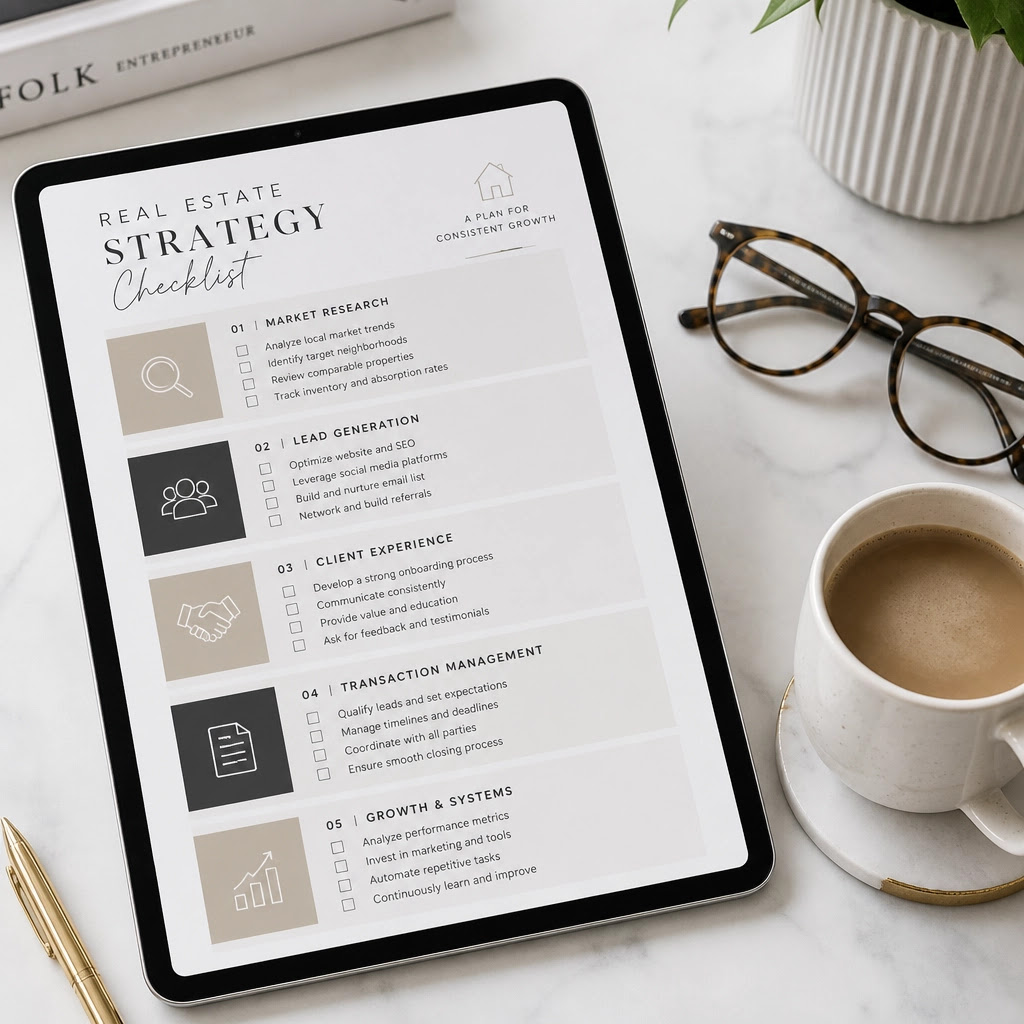
Before you start scrolling, you need to answer one question: How will I access my cash? If you don’t have a clear decision tree: whether to list first, use a bridge loan, or recast: you are essentially a “weak buyer” in the eyes of a seller. In 2026, sellers are looking for “ready, willing, and able” buyers, not “hopeful but contingent” ones.
1. The Traditional Route: Selling to Buy
This is the lowest-risk approach, and for many families in areas like Macedonia or Twinsburg, it’s the most common. You sell your home, take the check, and use it as a down payment for the next one.
- The Reality Check: While this is safe, it’s stressful. You have to time the closing dates perfectly or find temporary housing. However, it puts you in the strongest possible position because you have cash in hand.
2. The “Contingency” Trap
You’ve probably thought, “I’ll just make an offer on the new house contingent on selling mine.”
Here is what most agents won’t tell you: In a balanced or seller-leaning market, a “Home Sale Contingency” is often a deal-killer. If a seller in Lakewood receives two offers: one for $450,000 with a contingency and one for $440,000 without one: they will almost always take the lower offer. Why? Because they don’t want their future to depend on whether your buyer’s financing goes through.
- The Pro: It protects you from owning two homes.
- The Con: You lose out on the best houses. The “good ones” go to buyers who don’t have strings attached.
3. The Power Move: Listing Your Current Home First
The secret to winning in 2026 isn’t just having the money; it’s having the leverage. By listing your home first and getting it under contract before you find your next place, you transition from a “contingent buyer” to a “sale-ready buyer.”
When you tell a seller, “My home is already under contract and the inspection is past,” you are suddenly a stronger buyer. You can negotiate harder on price because the seller knows your deal is actually going to close.
4. The Bridge Loan: The Timing Fix
If you find your dream home before you’ve even put a sign in your yard, a Bridge Loan is your best friend. This is a short-term loan that “bridges” the gap between your two homes. It taps into your current equity to provide the down payment for the new house.
- How it works: You borrow against your current home’s equity. You use that money to buy the new house. Once your old house sells, you pay off the bridge loan.
- When it makes sense: When you’ve found a “unicorn” property and you need to act immediately without waiting for a buyer for your current home.
5. Mortgage Recasting: The Monthly Payment Hack
This is the most underrated strategy in real estate. Let’s say you buy a new $600,000 home in Solon with only 5% down because your old house hasn’t sold yet. Your monthly payment is high, and you’re worried about the cost.
Three months later, your old house sells and you net $200,000 in equity. Instead of refinancing (which costs thousands in fees and might mean a higher interest rate), you do a Mortgage Recast.

You give the $200,000 to your lender. They apply it to your principal and re-calculate your monthly payment based on the new, lower balance. Your interest rate stays the same, but your monthly bill drops significantly. It’s the ultimate “have your cake and eat it too” strategy.
6. Buying First (If You Qualify)
If your income and credit score are strong enough, you can simply qualify to carry both mortgages at once. This is the ultimate “no-stress” move. You buy the new house, move in at your leisure, and then prep your old house for the market without living in a construction zone.
- The Catch: Your Debt-to-Income (DTI) ratio must be low enough to satisfy the lender that you can handle both payments. This often requires a conversation with an expert local lender early in the process.
7. The HELOC Strategy: Your Home as an ATM
A Home Equity Line of Credit (HELOC) allows you to pull cash out of your current home while you still live in it. You can use this for the down payment on your next home.
The beauty of a HELOC is that it’s often interest-only for the first few years, keeping your costs low during the transition. But be careful: HELOCs usually have variable rates. If you use this path, you want a plan to pay it off the moment your current home sells.
8. Cash-Out Refinance
Similar to a HELOC, but you replace your entire current mortgage with a new, larger one and take the difference in cash. In 2026, with rates hovering around 6%, this only makes sense if your current rate isn’t significantly lower. If you’re sitting on a 3% rate from years ago, a HELOC or a bridge loan is usually a much smarter play.
9. The Investment Play: 1031 Exchange & “Rent It Out”
For those thinking about building wealth, you might not want to sell your “starter home” at all.
- The “Rent It Out” Option: If you can qualify for the new home without selling the old one, you can turn your first home into a rental property. The rental income can often help offset the new mortgage.
- 1031 Exchange: If the home you are selling is already an investment property, you can use a 1031 Exchange to defer all capital gains taxes, as long as you reinvest that equity into another “like-kind” investment property.

The Bottom Line
Moving up is a chess match, not a game of checkers. Whether you are looking in Broadview Heights or Rocky River, the strategy you choose will determine how much stress you endure and how much money stays in your pocket.
Don’t wait until you find “the one” to figure this out. You need to know your numbers now.
Ready to see how much equity you actually have and which strategy fits your 2026 goals? Let’s sit down and look at the math together. We’ll help you build the gameplan that moves you into your dream home without the “contingency” headaches.
Content provided by:
Carly Sablotny
Team Leader at Milestone Property Group | KW Living
440-521-1704 carlysablotnyrealtor@gmail.com http://www.neohomepros.com/
