



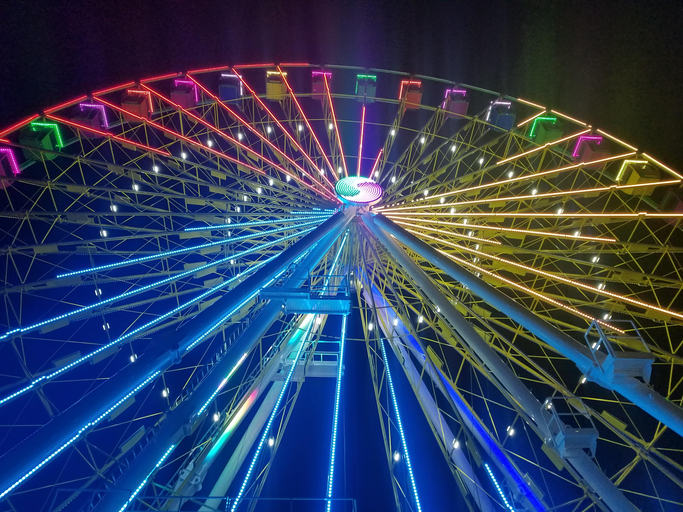
As fans grow frustrated with the 2026 season, 2027 increases raise a familiar question close to home
Many Nordonia area families make Cedar Point a summer tradition. The old Geauga Lake site in Aurora is just a short drive from home, and it is worth remembering what happened there the last time a corporate owner squeezed a beloved Northeast Ohio park.
Cedar Point built its reputation on being the roller coaster capital of the world. That reputation is now being tested by its own price tag.
Six Flags, which completed its merger with former owner Cedar Fair in July 2024, has confirmed a steep price increase for 2027 that lands on top of a 2026 season already marked by guest complaints. The Sandusky Register reported this month that the increases touch season passes, dining plans and the park’s popular Fast Lane line skipping program. None of those categories are getting cheaper.











The Fast Lane price jump
The pricing shift is already visible at the gate. For the first time in Cedar Point’s 156 year history, a single day ticket purchased at the gate crossed the $100 mark in 2026, landing at $105. Most guests do not pay that exact number since online and advance pricing runs lower, but the milestone still marks a symbolic line the park had never crossed before.
The season long Fast Lane pass that includes Cedar Point access will cost $1,999 for the 2027 season, according to reporting from Inside the Magic and Yahoo Travel. That is a steep jump from this year, when Fast Lane pricing across Six Flags parks ranged from roughly $500 to $1,000, a gap that let bargain hunters buy the pass at a cheaper park and still use it at Cedar Point.









Six Flags appears to have closed that loophole for 2027. A comparable Fast Lane pass at Kings Island, which will no longer cover Cedar Point, is priced at $1,200. Frequent Cedar Point riders now face a choice between paying nearly two thousand dollars for the privilege of skipping lines or standing in the same lines they were trying to avoid.
The irony is that Fast Lane became a source of frustration this year for the exact opposite reason: too many people had it. Cedar Point guests spent 2026 complaining about long waits caused by the sheer number of Fast Lane passes in circulation, while some Fast Lane holders reported waits of 45 minutes or more for popular coasters. Raising the price may thin out the crowd of passholders, but it does so by pricing out the families who used to consider Fast Lane an affordable splurge.
A season already testing patience
Money was not the only complaint this year. Early in the 2026 season, riders on Millennium Force found the coaster’s newly installed seat belts noticeably tighter, with some guests unable to buckle in at all. A Six Flags spokesperson confirmed the replacement belts supplied by manufacturer Intamin were shorter than the intended specification and said corrected belts were on the way. The explanation was reasonable. The fact that it needed to be given at all fed a growing sense among longtime fans that quality control has slipped since the merger.
Cedar Point also removed its Monster ride this year, a spinning attraction dating back to 1970, after the park said replacement parts were too hard to find. A single ride retirement is not a scandal on its own. Paired with the seat belt issue and the Fast Lane crowding, it reads as one more sign of a park stretched thin while its price tags keep climbing.
To be fair, Cedar Point is also offering early 2027 season pass pricing well below its list price, with a Gold Pass on sale for $115 against a $175 reference price and a Prestige Pass at $279 against $350. Those discounts matter. But they apply mainly to guests who buy early and renew on schedule. The headline number families will eventually pay, and the Fast Lane price in particular, is going up.
The industry around it has changed too
Cedar Point is not raising prices in a vacuum. The amusement park business has shifted in ways that make a jump like the 2027 Fast Lane increase easier for a company to justify, and harder for a guest to avoid.
Consolidation is the clearest change. The Six Flags and Cedar Fair merger folded two of the largest regional park operators into one company controlling dozens of parks across North America. Industry analysts tracking the sector describe consolidation as a trend reshaping pricing, purchasing and technology decisions across the market, not just at Cedar Point. Fewer major operators means fewer places for a frustrated guest to take their business instead.
Pricing itself has also changed shape. Flat, one price for everyone ticketing is giving way to dynamic pricing, the same demand based model airlines and hotels have used for years. Parks now adjust ticket and add on prices based on real time capacity and predicted demand, which explains how a Fast Lane pass can climb from roughly a thousand dollars to nearly two thousand in a single offseason.
The bigger strategic shift is what operators are optimizing for. Industry reporting increasingly describes park revenue in terms of spending per guest rather than total attendance. Premium line skipping, upgraded dining plans and add on packages are treated as core revenue streams, not side offers. That framing lines up directly with what Cedar Point guests experienced this year: a park that grew more crowded with Fast Lane holders while also raising the price of the pass meant to thin that crowd out.
None of this is unique to Sandusky. But it does mean the pressure pushing prices upward at Cedar Point is bigger than one park’s balance sheet. It is an industry wide bet that guests will keep paying more for less friction, even as patience for long lines and rising costs runs thinner every season.
Geauga Lake’s warning, from right down the road
Northeast Ohio has been here before, and for readers in the Nordonia area, this history is not distant. It happened a short drive from home in Aurora, and it is worth getting the story right, because Six Flags made the damage worse long before Cedar Fair ever set foot on the property.
Geauga Lake, the beloved park that once straddled Aurora and Bainbridge Township, spent 2000 through 2003 under Six Flags ownership, first as Six Flags Ohio and then, after Six Flags bought the neighboring SeaWorld Ohio, as the combined Six Flags Worlds of Adventure. Six Flags poured seven new roller coasters into the park in five seasons and briefly drew a record 3 million guests in 2001. But the growth was hollow. The park was stretched across two separate properties that had never been built to function as one, with two entrances, two parking lots and even two lost and found desks. Guests who came once mostly did not come back.
What they found once they arrived told the story. Trash cans regularly overflowed. Restrooms went uncleaned for stretches. Landscaping grew overgrown, and food and beverage stands still carried the feel of a small local park suddenly asked to serve national crowds. Some rides simply did not open on a given day, with no explanation given to guests. Six Flags had also built its business around cheap up front admission, undercutting Cedar Point’s ticket price while leaning on add ons and extras to make up the difference. That model spread thin resources across a park that had doubled in size and doubled its payroll almost overnight, and upkeep suffered as a result.
By the time Six Flags sold the park to Cedar Fair in 2004, attendance had already fallen from that 2001 peak of 3 million to roughly 700,000. Cedar Fair renamed it back to Geauga Lake, added a water park in 2005, and tried to rebuild what Six Flags had let slip. It was not enough. Cedar Fair permanently closed the amusement park in September 2007, citing costs and falling attendance. The water park limped along until Cedar Fair closed that too, in 2016.
So the park Six Flags ran into decline is gone, and its footprint sits practically in our backyard. Cedar Fair inherited a park that had already lost its footing and made the final call to close it, but the damage that sent guests away in the first place happened on Six Flags’ watch. That distinction matters now more than ever, because the ownership map has flipped. Six Flags is no longer the company that walked into a struggling Northeast Ohio park too late to save it. It is the company now running Cedar Point.
What happens if the pattern repeats
None of this means Cedar Point is closing next year, or the year after. It remains one of the most visited amusement parks in the country, and Six Flags has real financial incentive to keep it thriving. But the ingredients that preceded Geauga Lake’s decline, rising prices, guest frustration and a corporate parent managing dozens of parks at once, are visible again. Six Flags has already shown Northeast Ohio what happens when a park’s costs rise faster than its guests’ patience.
Cedar Point is not Geauga Lake. It is bigger, better known and more central to Sandusky’s economy. That should be reason enough for Six Flags to treat the warning seriously rather than assume it cannot happen twice. Ohio families have already lost one legendary park to a corporate calculation that stopped adding up. They should not have to watch it happen again.
FAQs
Will Cedar Point close in 2027? No. There is no indication Cedar Point is closing. The 2027 price increases apply to season passes, dining plans and the Fast Lane line skipping program.
Has Cedar Point ever charged more than $100 for a single day ticket before? No. The 2026 season marked the first time in Cedar Point’s 156 year history that a single day gate ticket crossed $100, reaching $105.
How much will the Fast Lane pass cost in 2027? The season long Fast Lane pass that includes Cedar Point access is priced at $1,999 for 2027, up from a range of about $500 to $1,000 this season depending on the park.
What happened with Millennium Force’s seat belts in 2026? Guests reported the coaster’s new seat belts were too tight to buckle. Six Flags confirmed the manufacturer supplied belts shorter than the intended specification and said replacements were being prepared.
Did Six Flags close Geauga Lake? Not directly. Six Flags owned the park from 2000 to 2003, and its rapid expansion and cost cutting left the park overcrowded, poorly maintained and losing guests. Six Flags sold it to Cedar Fair in 2004 after attendance had already collapsed, and Cedar Fair made the final call to permanently close the amusement park in 2007.
Is a 2027 Cedar Point season pass cheaper than buying later? Yes, for now. Cedar Point is offering early pricing on 2027 passes, with a Gold Pass at $115 against a $175 reference price and a Prestige Pass at $279 against $350.
